
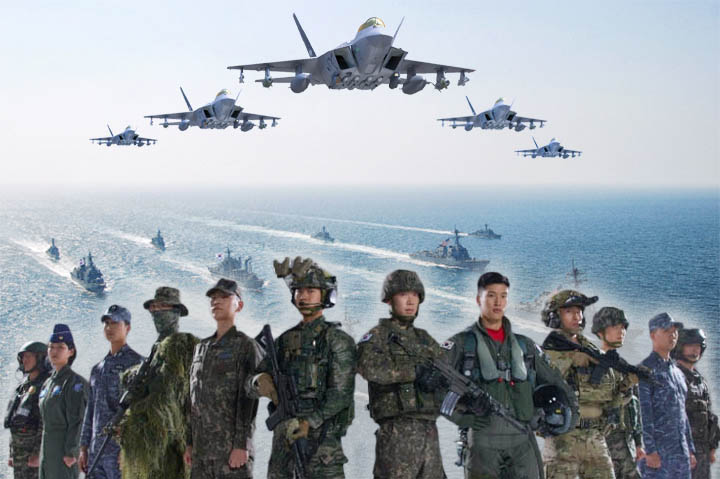
Korea’s Amazing National Defense That Foreigners Don’t Know About — From a Local’s Perspective
People outside Korea usually have a very basic image of Korean national defense: something about North Korea, barbed wire, and a tense border. That image is real, but it’s only part of the picture.
From inside Korea — where national defense is a part of our daily awareness — you see something much more complex, layered, and in many ways remarkable. Because Korea sits on one of the most volatile borders in the world, its defense isn’t just a government program — it’s woven into culture, society, technology, and even public policy in surprising ways.
Here’s a deeper look at some amazing aspects of Korea’s defense that most foreign audiences don’t know well.
1. A Defense Built for Deterrence, Not Aggression
South Korea’s defense strategy is not designed for conquest. Instead, it’s fundamentally about deterrence — making sure any aggressor, particularly the North, thinks twice before acting.
South Korea’s armed forces are large, technologically advanced, and highly trained. The country maintains a robust army, navy, and air force, each focused on defending the peninsula and deterring conflict rather than seeking to project force abroad.
What many foreigners don’t realize is how much effort goes into making strength visible without provoking unnecessary escalation — a delicate balance that Koreans have lived with for decades.
2. Mandatory Military Service Shapes Society
One thing all Korean men experience — willingly or reluctantly — is mandatory military service. Almost all able-bodied men serve for around 18–21 months in active duty before age 30.
This system has several effects that outsiders might not expect:
- It creates a shared experience across generations
- It builds a large reserve force ready to mobilize
- It keeps military culture familiar and normalized in daily life
For Koreans, seeing soldiers in public, veteran classmates, and conscription conversations is normal. It’s not just military readiness — it’s social practice.
3. The DMZ: Not a Forgotten Border, But a Strategic Hub
When visitors hear “DMZ,” they often picture something static — barbed wire and old bunkers. In reality, the Demilitarized Zone is one of the most intensively monitored and fortified border regions in the world.
The DMZ is:
- Around 250 kilometers long and 4 kilometers wide
- Heavily surveilled with sensors, cameras, and patrols
- A de facto no-man’s land with restricted civilian access
Despite the name “demilitarized,” the zones on either side are anything but quiet. There are hardened defensive positions, quick-reaction forces, and years of tactical planning baked into every ridge and valley along the border. There’s even unique wildlife thriving within the zone because of limited human access.
4. The U.S.–ROK Military Alliance Is More Than Cold War Legacy
Many foreigners know that the United States has troops in Korea, but they don’t always grasp how integral this alliance is to Korea’s defense doctrine.
The Mutual Defense Treaty between the United States and South Korea underpins this partnership. Around tens of thousands of U.S. troops are stationed in Korea, providing air, land, and naval support at a moment’s notice.
This alliance means Korea’s defense isn’t just national — it’s multinational and coordinated, integrating U.S. technology, intelligence, and rapid response capability.
5. Army, Navy, and Air Force: A Balanced Force Posture
Korea doesn’t rely on one branch to handle all threats. Instead, it:
- Maintains a powerful army with mechanized divisions and reserves
- Invests in an air force with modern fighters and surveillance aircraft
- Develops a navy capable of defending coastal waters and extending deterrence
The balance is intentional: Korea faces threats by land, air, and sea, and its defense planning reflects all three. This isn’t a small army behind a wall — it’s a modern, integrated force trained for complex scenarios.
6. Missile Technology and the “Balance of Deterrence”
One area that has drawn international attention is Korea’s missile development. Projects like the Hyunmoo missile family are designed to ensure that if deterrence fails, Korea has credible, conventional options to respond.
These missiles are not intended for offensive use; they are part of a complicated deterrence framework meant to stabilize the peninsula by ensuring that any conflict would be costly for an aggressor.
7. Intelligence and Cyber Security: Invisible Fronts of Defense
Modern defense isn’t just tanks and guns. South Korea invests heavily in intelligence and cyber defense, including:
- National intelligence agencies focused on pre-empting threats
- Military cyber units defending infrastructure
- Civilian partnerships in technology and surveillance
These efforts are largely invisible to the public, but they are central to modern national defense — especially in a world where security threats increasingly come through digital networks.
8. Civic Awareness: Defense Is a Part of Daily Life
From emergency alerts to periodic civil defense drills, most Koreans grow up with an awareness of national security that might feel unusual elsewhere.
You might hear:
- Sirens tested regularly
- News briefings about regional military tensions
- Conversations about defense budgets and readiness
This isn’t fear — it’s normalcy born from decades of living near an unstable border.
9. Neutral Constitution, Strong Defense Practice
South Korea’s constitution emphasizes peace and renounces aggressive war. At the same time, it acknowledges the reality of deterrence and self-defense. This balance reflects a society that values peace but prepares for conflict.
That nuance often surprises foreigners who assume a nation with such strong defense capability must have an aggressive stance. In Korea, strength is a guardian of peace, not a tool for expansion.
10. Defense Culture Is Evolving, Not Static
Even as threats change — whether from drones, cyber attacks, or regional geopolitics — Korea’s defense strategy adapts. Military modernization, international cooperation, and technological investments show that Korea is not resting on past achievements, but looking ahead.
Final Thoughts from a Korean Local
To many outsiders, Korea’s national defense might seem like “just big forces near North Korea.” But it’s much more than that. It’s a social priority, a technological endeavor, a multinational partnership, and a lived reality for millions of Koreans.
Korea’s defense is not about fear. It’s about preparedness, resilience, and protecting the normal life that everyone here values so deeply.
For foreigners interested in Korea, understanding this facet of society is not only informative — it’s essential to understanding why Korea looks and acts the way it does on the world stage.
Korea’s Amazing History That Foreigners Don’t Know Well — A Local’s Perspective