
Living in a Gosiwon: My Honest Experience and Tips
Living in a Gosiwon is one of those uniquely Korean experiences that many foreigners first encounter when they land in Seoul, Busan, or any big Korean city on a budget. It’s affordable, convenient, and sometimes an eye-opener into daily life here—but it definitely isn’t for everyone. Let me walk you through what it’s really like from the inside, not from a brochure.
What Exactly Is a Gosiwon?
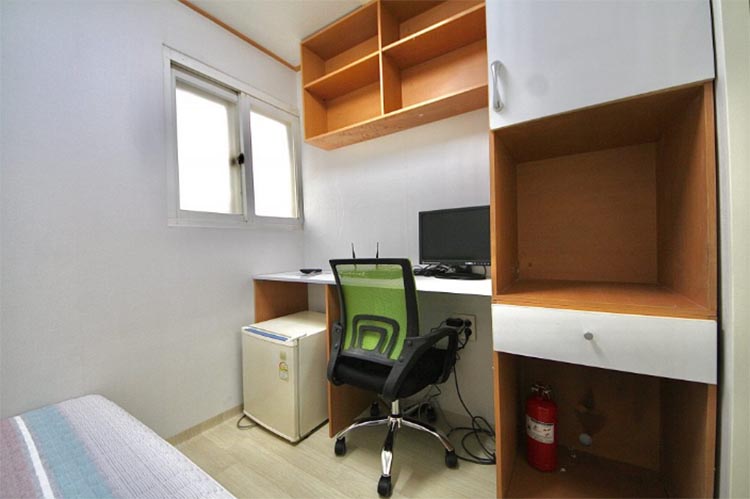
At its core, a goshiwon (고시원) is a small, budget lodging option originally for students studying for big exams. Today, it’s used by students, interns, short-term workers, and yes, international residents looking for cheap housing. The rooms are tiny single units—sometimes as small as a closet with a bed, desk, and maybe a mini-fridge. Most facilities like bathrooms, kitchens, and laundry are shared.
Why So Many Foreigners End Up Here
For newcomers, the big appeal is budget and simplicity. Unlike apartments or officetels, gosiwons often don’t require a massive deposit (key money) and you can usually rent month-to-month. That’s a huge plus if you’re arriving without an ARC, on a student visa, or without Korean guarantors.
Here’s the real deal from my own experience:
Pros
- Super Affordable – Monthly rent is low compared to other housing types, and utilities are often included.
- Easy Move-In – Little paperwork, quick process. You can often walk in, sign a contract, and start living that same day.
- Prime Locations – Most are near universities, subway stations, and busy hubs like Sinchon, Hongdae, or Jongno.
- Flexible Stay – Month-to-month contracts let you decide fast if Korea is for you, without long leases.
Cons (That Matter)
- Tiny Spaces – You will feel the size. It’s definitely smaller than typical Western studios, especially if there’s no window.
- Shared Areas – Kitchens, bathrooms, and laundry are usually communal. That means timing your routines and respecting shared living rules.
- Thin Walls – Noise travels; light sleepers, beware.
- Mixed Experiences – Some buildings are well-managed with friendly residents, others can feel neglected.
A Typical Day Living Here
Morning starts with a handful of roommates prepping for work or school. Shared bathrooms mean you might wait around peak times. Evening in Korea often means people return around 6–8 PM, so kitchens get busy. By nighttime, walls feel thinner as conversations, phones, and even snoring drift through.
But it’s not all bad—some gosiwons have tight-knit communities that help you make friends fast, especially if you’re new abroad.
Tips Before You Sign a Contract
1. Visit First If Possible
Photos aren’t always the full picture. Check ventilation, windows, and cleanliness in person.
2. Learn Some Korean Phrases
Most owners and managers don’t speak much English. A little Korean goes a long way when explaining requests or reading contracts.
3. Ask About Shared Rules
Some gosiwons have strict quiet times, cleaning schedules, or cooking rules to avoid complaints. Better to know upfront.
4. Location Is Everything
Being close to a subway station or university district can save you hours in commute every week—and improve your quality of life dramatically.
5. Trust Your Instincts
If something feels dingy or unsafe, it probably is. You can find better options even on a tight budget (like share houses or hasukjib boarding houses).
Is It Good for Long-Term Living?
Honestly? I strongly suggest thinking of gosiwon as a stepping stone—great for short-term stays while you explore Korea and plan something better. For long-term comfort, especially if you’ll be more than a year, consider transitioning to a share house, officetel, or apartment when your budget and visa situation allow.
Final Thoughts
Living in a gosiwon is like trying Korea’s most basic accommodation level—you get what you pay for, both the charm and the challenge. If you embrace the simplicity, learn the rhythms of shared living, and keep your expectations grounded, it can be a great first chapter of your Korea story.
The King of Cuisine: Why Jeonju is the Undisputed Food Capital of Korea