
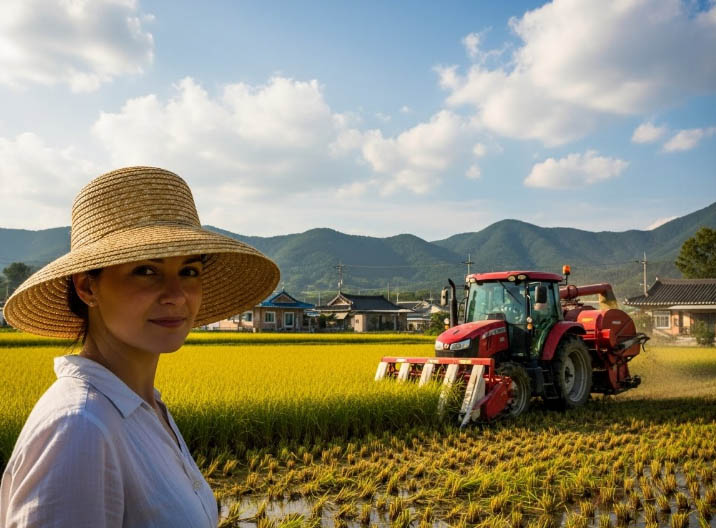
Living in Rural Korea as an International Marriage Couple
When people imagine life in South Korea, many picture the hustle of Seoul subways, the neon lights of Busan, or the cafes of Jeju. But if you’ve ever wondered what life is like in rural Korea, especially as an international marriage couple, the reality is a blend of quiet charm, close-knit community, and — yes — unique cultural lessons that no city guidebook will teach you.
I’ve lived in Korea my whole life, and I’ve watched friends and neighbors — Korean and foreign alike — build their lives in small towns across the country. Here’s a sincere, on-the-ground look at what it’s really like.
The Pace of Life Is Different — In a Good Way
The first thing most foreign spouses notice about rural Korea is the pace. In cities, life can feel like a continuous loop of work, transit, and errands. In rural towns, mornings move more slowly, shops close earlier, and the rhythm is seasonal — tied to markets, farming cycles, school events, and community festivals.
For many international couples, this slower pace becomes a gift rather than a sacrifice. It provides space for deeper family time, more leisurely meals together, and a chance to build routines that don’t revolve around traffic or overcrowded trains.
Community Ties Can Be Strong and Supportive
Small towns in Korea have tight social networks. Neighbors know one another by name, local shop owners greet regulars warmly, and community announcements are genuinely community affairs. For foreign spouses, this closeness can be both heartwarming and a bit surprising.
At first, you might receive curious looks at markets or community events. But it doesn’t take long before neighbors start learning your greetings, sharing seasonal produce, or inviting you to local celebrations. Hospitality in rural Korea is less about formality and more about shared presence.
Of course, deeper integration often depends on your own efforts — learning basic Korean, attending events, and showing respect for local customs. When you do that, people generally respond with genuine warmth.
Cultural Differences Are Real — But Navigable
Living in a rural community exposes cultural nuances that urban life often smooths over. For example:
- People may speak more formally and rely on honorifics typical of older generations.
- Community events and gatherings follow traditional rhythms.
- Local expectations about helping neighbors or participating in school events can feel unfamiliar.
For foreign spouses, these differences are learning moments rather than obstacles. Most Korean villagers respect sincere effort more than perfect etiquette. A foreign spouse who tries to understand subtle customs — like bowing properly, addressing elders respectfully, or bringing small gifts to polite gatherings — often finds doors opening.
Language Matters — But It’s Not Everything
Korean fluency is helpful, especially outside big cities where English isn’t as widely spoken. But communication in rural Korea isn’t just verbal: it’s relational. Even with broken language or hesitant conversation, people appreciate effort, smile at attempts, and sometimes help without judgment.
Of course, learning Korean accelerates integration. Routine activities like scheduling doctor appointments, joining parents at school events, or navigating grocery stores become more comfortable. But even initial stages — with gestures, patience, and a few key phrases — build trust and connection.
Raising Children in Rural Korea
Many international couples choose rural life for their children. They see benefits like smaller class sizes, safer streets, cleaner air, and a strong sense of community. Children often grow up speaking Korean quickly in school and make friendships easily.
One notable aspect is how school communities rally around kids and parents alike. Seasonal events, sports days, and holiday festivals become shared family memories. For foreign parents, these occasions offer both connection and a deeper appreciation for dynamic local culture.
Economic Realities and Work Opportunities
Life outside big cities usually comes with different economic opportunities. While Seoul and Busan offer diverse industries, rural areas may focus on agriculture, local businesses, education, and small-to-medium enterprises.
For foreign spouses, this might mean:
- Teaching English locally
- Helping in family-owned businesses
- Remote work or online freelancing
- Starting niche ventures like guesthouses or foreign cuisine lessons
Many local governments also offer programs to attract and support multicultural families, including language education, business support, and community integration resources.
Holidays and Traditions Become Shared Moments
In rural towns, holidays are less about commercial crowds and more about shared traditions. Whether it’s Chuseok (Korean harvest festival), Lunar New Year, or local harvest days, festivities revolve around families and neighbors.
For many international couples, participating in these traditions deepens cultural understanding and transforms curiosity into belonging. Over time, what once felt strange becomes meaningful and shared.
Handling Challenges Together
Life in rural Korea isn’t always idyllic — you may miss international cuisine, multicultural events, or the cosmopolitan vibe of big cities. Some foreign spouses experience occasional language frustration or moments of cultural misunderstanding.
But what I see time and again is that relationships thrive not because life is easy, but because couples navigate these challenges together. Shared humor about miscommunication, teamwork in everyday tasks, and mutual respect for each other’s backgrounds make rural living not just manageable, but rich with experience.
Why Many International Couples Choose Rural Korea
To sum it up, rural Korea offers:
- A calm, stable pace of life
- Strong community connections
- Deeper cultural immersion
- Safe environments for raising children
- Meaningful everyday rituals that bring people together
For international marriage couples, these elements are not just perks — they shape daily life into something wholesome and memorable.
Final Thought: Life Beyond the City Lights
Living in rural Korea as an international marriage couple isn’t about giving up city conveniences. It’s about rediscovering daily life through shared routines, strengthening bonds through community ties, and learning the language of everyday kindness.
If you approach rural life with curiosity rather than comparison, you’ll find that Korea’s countryside has a gentle but deep way of becoming home.
Are National Universities in Korea Better Than Private Ones?