
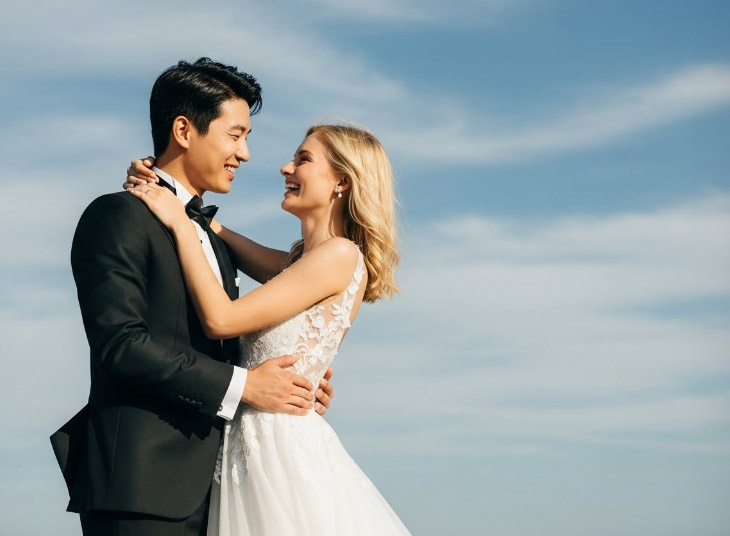
The Rise of International Marriage in Korea
Annyeonghaseyo, lovebirds and sociologists! When we look at Korea today, one of the most visible changes isn’t found in a skyscraper or a tech factory, but in the family structure itself. The days when marriage was strictly confined within national borders are rapidly fading.
The Rise of International Marriage in Korea is one of the most significant and fascinating demographic shifts currently taking place. As your Korean insider, I’m here to give you the honest breakdown of why more Koreans are saying “I do” to foreign partners and what this trend means for Korean society.
1. The Global Cultural Magnet (Hallyu’s Long Reach)
The massive worldwide success of K-Culture is arguably the single biggest non-economic driver of this trend.
Positive Perception: K-Dramas and K-Pop have created an incredibly positive, accessible, and desirable image of Korean society and people globally. This cultural familiarity makes the idea of a life partnership much easier for foreigners to envision.
Increased Contact: As Korea’s international profile grows, more foreigners are coming to Korea for study, work, and travel, dramatically increasing the opportunities for organic, genuine cross-cultural meetings.
2. Demographic and Economic Pressures
While the cultural impact is huge, underlying demographic and economic factors within Korea are also powerful catalysts.
Marriage Decline: Marriage rates among young Koreans have been steadily declining due to high housing costs and intense social pressures. For many, finding a foreign partner offers an escape from traditional, rigid Korean societal expectations often associated with marriage.
Rural Dynamics: In many rural areas, international marriages have become essential to sustaining the local community and birth rates, often facilitated through marriage brokers, though increasingly shifting toward genuine personal choice.
3. Shifting Social Attitudes (Acceptance and Diversity)
Korean society is demonstrably becoming more open and accepting of diversity, particularly in metropolitan centers.
Visibility: Mixed-nationality families are simply more visible today than ever before. You see them frequently on television, in advertisements, and in public spaces. This normalization naturally reduces social stigma for younger generations.
Government Support: The government has established numerous Multicultural Family Support Centers (Damunhwa Gajok Won) across the country. While these centers were initially aimed at assisting foreign spouses with language and assimilation, their very existence signals an official acknowledgment and support of the trend.
4. The Easing of Legal Barriers
The legal and logistical path to international marriage, while still complex (involving the F-6 visa), is becoming more standardized and clear.
F-6 Visa Clarity: While strict financial and communication requirements exist, the process for the F-6 Marriage Immigrant Visa is well-defined. This clarity allows couples to plan their legal future with more certainty than in the past.
Digital Connection: Global communication platforms and social media have made finding, connecting, and maintaining long-distance relationships across borders easier and cheaper than ever, turning the entire world into a single dating pool.
The rise of international marriage shows that Korean society is maturing and globalizing, integrating diverse backgrounds into the very fabric of family life. This trend will only accelerate, making Korea a truly multicultural nation.