Multicultural Centers in Korea: What They Offer
Living and raising a family in Korea when your roots stretch beyond its borders can feel incredibly rewarding — and occasionally overwhelming. Between school systems, language learning, community expectations, and cultural integration, it helps to know exactly where you can get support. That’s where multicultural centers come in.
If you imagine Korea as a big city with its own set of unwritten rules, multicultural centers are like friendly local guides — but better, because they’re built with actual support in mind.
Here’s a straightforward, on-the-ground guide to what multicultural centers in Korea really offer, from the perspective of someone who’s seen families walk through these doors — hesitant at first — and leave feeling more confident.
What Are Multicultural Centers in Korea?
Multicultural centers are community support hubs set up across cities and towns in Korea to help foreign residents, international families, and multicultural children navigate life here. They’re funded by city governments and often offer services free or at low cost.
These centers aren’t “foreigners only” spaces. They’re places where local residents and multicultural families meet, learn, help each other, and grow together.
Language Support: A Game Changer
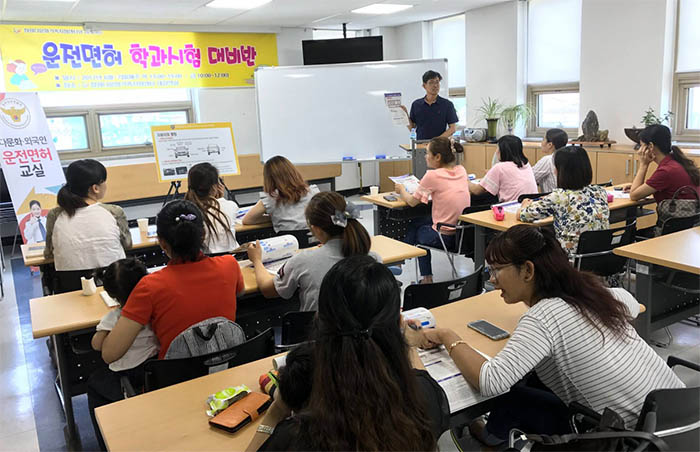
One of the first big hurdles for international families is the language. Multicultural centers provide:
- Korean language classes for adults and children
- Conversation clubs that make practice social, not intimidating
- Workshops focused on everyday vocabulary — banking, school, healthcare
Simple tip: attending language classes here often feels like joining a friendly community rather than a classroom full of strangers. Many parents tell me they made their first local friends in those very classes.
Cultural Adjustment Workshops
Korea’s culture can be subtle rather than overt. Things like honorifics in speech, social expectations during holidays, and unwritten work or school etiquette aren’t always intuitive.
Multicultural centers provide workshops on:
- Korean family and community norms
- Childcare and school system expectations
- Work culture and legal matters
These workshops demystify social norms in a way textbooks never can. Instead of confusing silence when someone doesn’t object, you learn why harmony is valued — and how to navigate it with confidence.
Educational Support for Children
Children of multicultural families often benefit from specially tailored supports, including:
- Korean language tutoring
- Homework help and study mentoring
- Social integration groups for kids who speak another language at home
Parents often tell me that these supports helped their children participate more confidently in school and make friends more easily. When kids feel like school is a place they belong, family life becomes calmer and happier.
Family Counseling and Support Services
It’s no secret that raising a family in a foreign culture can have emotional highs and lows. Multicultural centers often provide:
- Family counseling
- Parental support groups
- Sessions about cultural differences in parenting
These services help families turn challenges into learning moments. It’s a space to normalize questions like “Is my child adapting well?” or “How do we handle holiday expectations?”
Legal and Administrative Support
Dealing with visas, residency questions, healthcare enrollment, or school registration can be confusing. Many centers offer:
- Help with paperwork and interpretation
- Advice on navigating local government systems
- Information sessions about rights and obligations
Even seasoned expats tell me that the clarity they get from a multicultural center saves them hours of stress and uncertainty.
Community Events and Cultural Exchange
Multicultural centers aren’t only about classes and counseling. They’re living community spaces with festivals, cooking events, cultural presentations, and holiday celebrations.
These aren’t surface-level celebrations. They’re opportunities for people from different backgrounds to teach, learn, and celebrate together. You’ll see Korean and international traditions side by side, and more than a few laughs as people compare stories about how things are done “back home.”
One mom told me that her child was finally proud to show classmates their home “New Year’s food table” after participating in a cultural festival at a center.
Networking and Community Building
Perhaps the most meaningful thing multicultural centers offer is the chance to build networks. Lifelong friendships start here. Parents who once felt isolated find allies. Kids discover peers with similar experiences. These connections matter more than any one class.
You’ve probably heard it said that “community is family you choose.” In Korea, multicultural centers help families choose and grow their community.
It’s Not One-Size-Fits-All — And That’s Okay
Centers vary by city and region. A big metropolitan center in Seoul may offer dozens of services, while a smaller regional hub might focus on a few core programs. But the heart of every center is the same: support, connection, and welcome.
If you’re ever unsure where to start, simply drop by. Most centers have bilingual staff or volunteers who can help you find the right program.
Final Thoughts: Support That Feels Like Belonging
Multicultural centers in Korea are much more than support offices — they are doorways to connection. They help families learn not just how to live here, but how to feel at home. They are places where language, culture, friendship, and confidence grow together.
And for many families, that makes all the difference.