Multicultural Family Policies in Korea: A Complete Guide
What every foreign spouse, parent, or future resident should know
Korea is no longer the culturally uniform country it once was. With more international marriages, multilingual children, and long-term foreign residents, the Korean government has built a surprisingly large support system for multicultural families.
But if you’re new here, these policies can feel confusing. Where do you start? What programs actually work? Which benefits apply to you?
As a Korean who has watched multicultural communities grow over the years—and someone who runs a blog to help international students and residents—I’ve broken down Korea’s multicultural family policies in a simple, honest, and practical way.
What Counts as a “Multicultural Family” in Korea?
This is the first thing many foreigners wonder.
Under Korean law, a multicultural family generally includes:
- A marriage between a Korean citizen and a foreign spouse
- A family where at least one parent is a foreigner
- Children born from international marriages
- Naturalized Korean citizens raising families
These families qualify for government assistance, integration programs, and educational support.
1. Language Support Programs
Korean language ability is often the hardest part of adjusting to life here. That’s why the government created multiple free or low-cost support systems.
Korean Language Classes for Foreign Spouses
Local multicultural family centers offer structured language lessons covering:
- everyday communication
- parenting vocabulary
- reading official documents
- practical speaking for hospitals, schools, and banks
Classes often include babysitting services so parents can focus.
Interpretation and Translation Services
For school meetings, medical appointments, legal paperwork, and community events, centers can arrange interpreters in major languages such as Vietnamese, Chinese, Tagalog, Uzbek, Thai, and Russian.
2. Educational Support for Multicultural Children
Korea doesn’t want language barriers to limit a child’s academic growth, so there are several support programs.
Korean Language Mentors in Schools
Many schools hire special teachers who help children strengthen their Korean reading, writing, and speaking skills.
Multicultural After-School Programs
These programs focus on:
- homework help
- Korean language reinforcement
- cultural education
- social integration activities
Scholarships for Multicultural Students
Some local governments and foundations provide small scholarships to encourage continued education.
3. Support for International Marriages
Adjusting to married life in another culture—and maybe raising kids in it—is not easy. The government now actively supports multicultural couples.
Marriage Guidance & Counseling
Centers provide counseling for:
- communication challenges
- cultural misunderstandings
- financial stress
- parenting differences
These services are confidential and available in multiple languages.
Parenting Education
Helpful workshops teach:
- how Korean schools work
- child development
- bilingual parenting tips
- navigating Korean medical systems
4. Financial & Practical Support (Depending on Region)
Policies differ by city or province, but typical support includes:
Childcare Subsidies
Some local governments give childcare allowances or discounts to multicultural families.
Home Visits
Trained consultants visit your home to support:
- early childhood education
- Korean language development
- emotional support for new parents
Employment Assistance
For foreign spouses wanting to work, centers offer:
- résumé building
- job training programs
- certification courses
- job-matching services
5. Cultural Integration Programs
These programs help both Korean and foreign family members understand each other better.
Korean Cultural Classes
Cooking, traditional crafts, holiday workshops, and Korean etiquette training help foreign spouses learn local customs in a fun, welcoming environment.
Multicultural Festivals
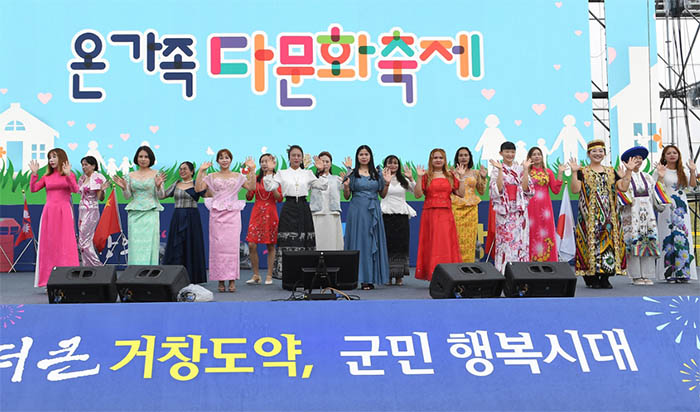
Communities host events celebrating cultural diversity—food fairs, performances, language exchanges, and cultural booths.
Social Networking Groups
Multicultural moms’ groups, dads’ clubs, and international marriage meetups give families a much-needed support network.
6. Support for Naturalization and Legal Processes
Legal paperwork can be overwhelming, so many centers guide you through:
- obtaining F-series visas
- applying for naturalization
- preparing documents for permanent residency
- understanding citizenship rules for children
Some even offer classes specifically for naturalization exams.
7. Where to Get Help: Multicultural Family Support Centers
These centers are the heart of Korea’s multicultural policies. Located in almost every major city and many smaller towns, they provide:
- Korean classes
- translation help
- counseling
- parenting support
- job training
- cultural programs
If you are part of a multicultural family in Korea, this should be one of the first places you visit.
Final Thoughts: Korea Is Still Learning, but the Effort Is Real
Korea’s multicultural family policies are far from perfect, but they’re expanding every year. The country recognizes that diversity is now part of its future—and supporting families is essential to that progress.
Whether you’re a foreign spouse, an international couple with kids, or a newcomer planning to build a life in Korea, you don’t have to navigate everything alone. A system is already in place—you just need to know where to find it.
If you want a guide to specific benefits by city, how to use multicultural centers, or real-life stories from multicultural parents in Korea, tell me and I’d be happy to write more.