Navigating Kindergarten and School Life in Korea
Raising children is both joyful and challenging, and when your family lives abroad, the learning curve can feel steep. Korea’s education system — from kindergarten to elementary and beyond — has its own rhythm, expectations, and cultural nuances. As a Korean woman who has watched friends, neighbors, and multicultural families walk this path, I want to share an honest, practical guide to navigating kindergarten and school life in Korea from a local perspective.
This isn’t a textbook. It’s the stuff families actually talk about over coffee — the parts that matter most in daily life.
How Early Education Works: Kindergarten and Preschool
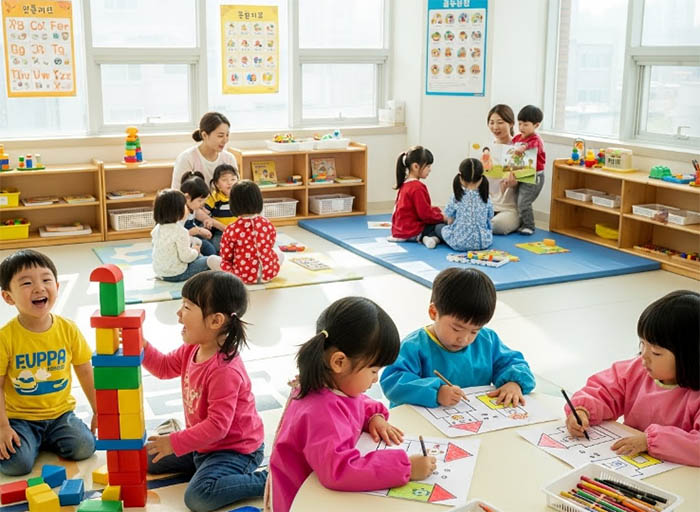
In Korea, early childhood education usually starts with preschool or kindergarten between ages three and five. These are not just play spaces — they are structured environments where children learn social norms, listening skills, and basic academic habits.
Korean kindergartens tend to have:
- Structured routines (attendance, circle time, nap time)
- Curriculum that balances play with emerging skills
- Regular parent-teacher communication
For foreign families, this structure can feel both comforting and surprisingly busy. Most kids quickly adapt, but parents often remark how organized the day feels compared to what they remember at home.
Language Happens Everywhere — Not Just in Class
One thing foreign parents notice early is how quickly children pick up Korean. At kindergarten age, children absorb language incredibly fast — not just words, but social expectations and classroom norms.
This isn’t just about language. It’s about belonging. When a child can speak confidently, they participate more fully in group activities, games, and peer interactions. Even simple phrases like “내 차례예요” (it’s my turn) or “도와주세요” (please help me) become empowering milestones.
For multicultural children, many schools offer supplemental Korean support classes. These are not remedial — they are bridges that help kids transition comfortably.
Parents and the School: A Close Partnership
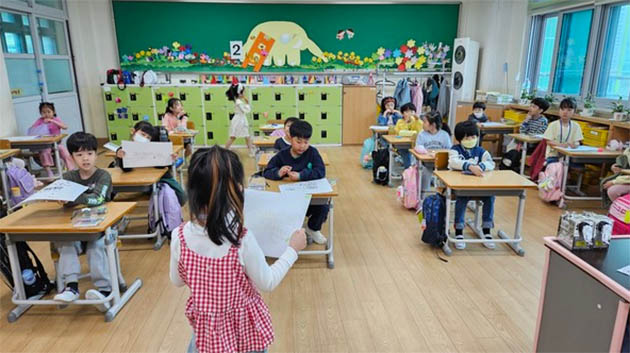
Korean schools — especially at the elementary level — expect parents to be involved. This doesn’t necessarily mean volunteering every week, but it does mean:
- Attending regular parent meetings
- Responding to school communications promptly
- Supporting homework routines
Most schools use apps or messaging systems to share daily updates, homework assignments, and upcoming events. For foreign parents, mastering these apps (and mobile etiquette!) becomes an early priority.
Homework and Study Culture: What to Expect
One of Korea’s defining features is its emphasis on education. From a young age, children are introduced to homework and basic scholastic expectations.
In elementary school, homework may include:
- Reading practice
- Math worksheets
- Weekly spelling or vocabulary review
This doesn’t mean homework dominates life, but it does reinforce consistency and responsibility. Families often create simple routines — a short study block after school followed by playtime — to keep balance.
Social Dynamics: Friends, Games, and Belonging
School is where children build real social lives. Korean children bond through shared play, snacks, and group routines. It’s common for classmates to form close circles early in the year and stick together.
For foreign or multicultural children, social integration often begins with:
- Sharing favorite toys or stories
- Learning local games like 무궁화 꽃이 피었습니다
- Inviting classmates to birthday celebrations
Cultural curiosity often works in your child’s favor. Kids genuinely want to learn, play, and ask questions.
Understanding School Rules and Culture
Korean school culture has its own set of norms:
- Punctuality is taken seriously
- Uniforms (or dress codes) are common
- Respect for teachers is emphasized
None of these are difficult, but they do require explanation at home. When parents and children understand the “why” behind the rules, adaptation becomes smoother and less stressful.
Multicultural Students and Support Programs
Korea has been expanding support for multicultural families. Many schools offer:
- Korean language classes
- Counseling services
- Peer buddy systems
- Cultural exchange events
These programs help children bridge language and cultural gaps without feeling singled out. Most teachers are enthusiastic and open — they see multicultural students as enriching the classroom environment.
Communication With Teachers: Tips That Work
Teachers in Korea generally communicate in Korean, but many are patient and supportive with international parents. Practical tips:
- Prepare questions in advance and send them in writing
- Use translation tools when needed
- Ask for meeting or phone time if email feels slow
Teachers appreciate initiative. They don’t expect perfection; they appreciate effort.
Extracurricular Activities and After School Options
Once children settle into school life, parents often explore after-school activities:
- Art classes
- Taekwondo or sports
- Music lessons
- English or bilingual programs
These help with language exposure, social interaction, and confidence building. For foreign families, activities become a natural way to connect with other parents and children beyond school hours.
Growing With the System: A Journey, Not a Sprint
Korean kindergartens and schools may seem intense at first, but the structure is a support, not a pressure cooker. Children thrive when parents understand expectations and create a balanced rhythm at home.
Remember, every child is unique. Some blossom socially first, others find academic confidence later. The goal isn’t perfection — it’s steady growth, positive experience, and joy in learning.
Final Thought: Schools as Community Hubs
In Korea, schools are more than places for lessons. They are community hubs — places where friendships form, families connect, and children build the habits and confidence they will carry into adulthood.
For multinational and multicultural families, these school experiences become shared memories, cultural exchanges, and stepping stones into Korean life.
With understanding, patience, and genuine curiosity, navigating school life in Korea becomes not just manageable — but rewarding.