
Part-time Work Options for International Students in Korea
Annyeonghaseyo! We all know student budgets can be tight, especially in a vibrant, expensive city like Seoul. A little extra cash can mean the difference between ordering jjajangmyeon once a week or three times!
But here’s the most important truth about making money in Korea: You must do it legally. Your visa status is precious, and breaking the rules for a few extra dollars is absolutely not worth the risk.
As your Korean insider, I’m here to guide you through the official, legal part-time work options for international students, focusing on the permits, hours, and best places to look.
1. Legal Lifeline: The Mandatory Work Permit
This isn’t optional. Your D-2 (degree) or D-4 (language) visa does not automatically grant you the right to work.
The Six-Month Rule: You must generally wait six months after your enrollment date to apply for a Part-time Work Permit.
Permission is Key: You must apply for and receive the work permit (officially known as the S-3 activity status) from the Immigration Office. You need permission from both your university and the Immigration Office before you accept any job.
The Risk: Working without this specific permit—even for a few hours—is considered illegal employment and can result in fines, visa cancellation, and immediate deportation. Do not risk your visa!
2. The Time Limit Trap (Hourly Restrictions)
Korean immigration is very strict about ensuring your studies remain your primary focus. Your permitted hours are severely limited and depend on your academic level.
The general weekly limit during the semester is:
- Language Students (D-4): Generally 20 hours per week (often less in the first semester).
- Undergraduate Students (D-2): Generally 20 hours per week.
- Graduate Students (D-2): Generally 30 hours per week.
The Exception: During official university holidays (summer/winter break), these limits are usually significantly relaxed or removed entirely, allowing you to work full-time.
3. The Student Hustle: Where to Find Legal Work
Once you have your permit, where should you look? The best student jobs leverage your native language skills or fit around a chaotic schedule.
Campus Jobs (The Easiest Entry): Your university is your best resource. Look for jobs in the international office, library, or research labs. These roles are usually flexible, pay well (by part-time standards), and require no specialized Korean language skills.
English Tutoring and Camps: This is the most common and often highest-paying option. You can work as a private tutor (make sure to confirm the legal constraints of this) or at seasonal English camps during school breaks. Your native fluency is a premium skill here.
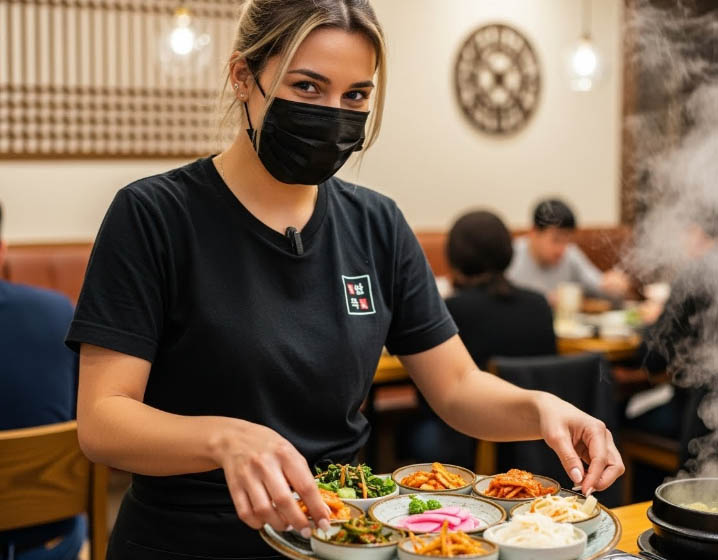
Cafes and Convenience Stores: Alba (아르바이트, part-time work) at chains like Starbucks, Ediya Coffee, or major convenience stores (GS25, CU) is plentiful.
The Reality Check: These roles often require moderate to advanced Korean ability for dealing with local customers and reading complex instructions. Don’t apply unless you are confident in your practical Korean skills.
4. Insider Warning: The Jobs to Avoid
I need to be absolutely clear on this: Certain types of work are illegal for D-2 and D-4 visa holders, even with a permit.
High-Risk Entertainment: Any job in adult entertainment, bars, or hostess establishments is strictly prohibited.
Factory Work/Construction: While tempting for the quick cash, these blue-collar jobs are typically restricted to H-2 or E-9 visa holders. Working them on a student visa is illegal.
Your time in Korea is a massive investment. Don’t risk throwing away your academic career and visa status for short-term financial gains. Focus on jobs that enhance your academic or language skills—it’s the smart hustle!