
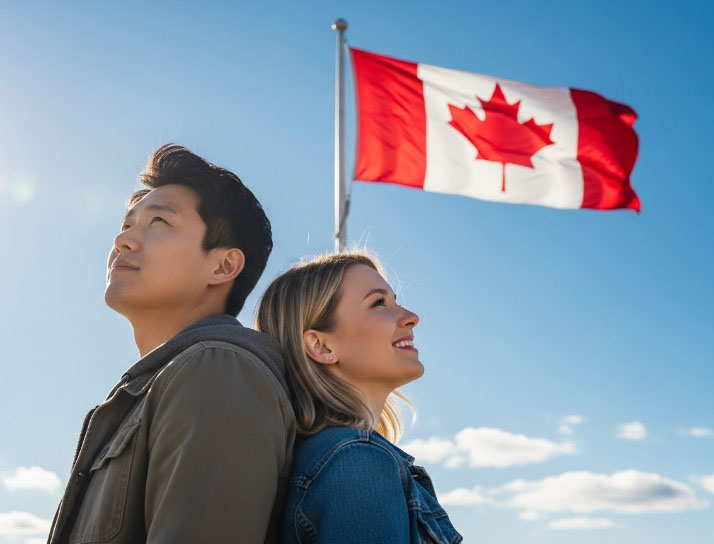
Process for Canadian Citizens to Marry in Korea
A Step-by-Step Guide From a Korean Local’s Perspective
Why This Matters for International Couples
If you and your partner are planning to get married in Korea and one of you is Canadian, you’ve probably realized that it’s not just a matter of saying “I do.” Korea has a structured legal process to register marriages — especially for international couples — and understanding it well can mean the difference between a smooth wedding day and a paperwork headache.
As someone who lives in Korea and has seen many international couples go through this process, I can reassure you: it’s not overly complicated, but it does require organization, advance preparation, and an understanding of both Korean and Canadian document requirements.
Step One: Decide the Type of Ceremony
First, you should decide whether you want:
- A legal marriage registration in Korea (official recognition by the government),
or - A ceremonial wedding for family and celebration, separate from legal registration.
Many couples do both: a symbolic ceremony at a venue or temple followed by legal registration at the Gu Office (district office).
Keep in mind that only the legal registration matters for your marriage to be recognized by Korean authorities and by the Canadian government.
Step Two: Prepare Required Documents
For Canadian citizens planning to marry in Korea, the document list includes:
1. Passport and valid identification
Certificate of No Impediment to Marriage (sometimes called a Single Status Certificate)
This is the document that shows you are legally free to marry. Canadian provinces issue this through vital statistics offices.
2. Affidavit of Eligibility to Marry
Some Canadian embassies provide an affidavit or similar declaration stating that you are eligible to marry.
3. Translation to Korean
All documents not originally in Korean must be translated by a certified translator.
The exact wording and process can differ slightly depending on the province in Canada where you reside, so checking with your local vital statistics office before departure is a smart move.
Step Three: Visit the Canadian Embassy (Optional but Helpful)
Before you arrive in Korea, you may want to visit the Canadian embassy or consulate to confirm your documents.
They can:
- Verify that your Certificate of No Impediment is acceptable in Korea
- Provide a notary service (for affidavits)
- Help you understand any specific provincial requirements
Doing this step at home can reduce stress once you’re in Korea.
Step Four: Register Your Marriage in Korea
Once you are in Korea and ready to register your marriage, you will go to the Gu Office (district office) where your Korean partner is registered or where you plan to live.
At the Gu Office, you will:
- Submit original documents and translations
- Complete a marriage registration form (in Korean)
- Provide passport copies
- Have your signatures witnessed and verified
Most offices also require your presence together with your partner.
Remember that the registration process is administrative, not ceremonial — there is no romantic wedding arch offered at the district office. The goal is official recognition by the Korean government.
Step Five: After Registration — Certificates and Recognition
After your marriage is registered, the Gu Office will issue a Korean Marriage Certificate. This document is your legal proof of marriage in Korea.
To ensure your marriage is recognized in Canada, you should:
- Obtain a certified copy of your Korean Marriage Certificate
- Have it translated (if necessary)
- Register the marriage with Canadian authorities once you return home
Each Canadian province may have slightly different procedures, but generally, a certified marriage certificate issued in Korea will be recognized in Canada.
Practical Tips for Canadian Citizens Getting Married in Korea
Plan Ahead
Start your document preparation well before you travel. Some certificates take time to issue.
Check Embassy Resources
The Canadian embassy or consulate in Korea is a great source of updated requirements and forms.
Translation Matters
Certified Korean translations are essential. Without them, documents may be rejected at the Gu Office.
Bring Copies
Bring multiple copies of all documents — both originals and translations.
A Local Korean’s Perspective on the Experience
From a local’s viewpoint, getting married in Korea might seem very formal compared to some Western countries, but the process is straightforward once you understand the steps. Koreans take official registration seriously because it affects everything from residency to insurance and family recognition.
And here’s the good part: many international couples find the experience meaningful precisely because it blends culture, language, and official legal recognition. You’re not just planning a wedding day — you’re building a life together with all the paperwork solidly behind you.
Final Thoughts
The process for Canadian citizens to marry in Korea involves clear stages: choosing your ceremony type, gathering documents at home, verifying them if possible, registering at a Korean Gu Office, and ensuring that your marriage is recognized back in Canada.
If you prepare methodically and communicate well with both Korean authorities and Canadian officials, you’ll find that marrying in Korea can be both memorable and legally secure.