
Ready to Level Up Your Hangul?
Your Guide to the Best Korean Language Schools in Seoul and Beyond
So, you’ve mastered “Annyeonghaseyo” and can maybe order a galbi without pointing—awesome! But if you’re serious about diving deep into Korean culture (and understanding what your favorite K-Drama stars are actually saying), you need to tackle the language.
Choosing the right Korean language school is the crucial next step. It’s not just about textbooks; it’s about finding the perfect learning environment that fits your schedule, budget, and learning style. As a local, I’m breaking down the three main types of institutions—from universities to private academies—to help you find your perfect Hagwon home.
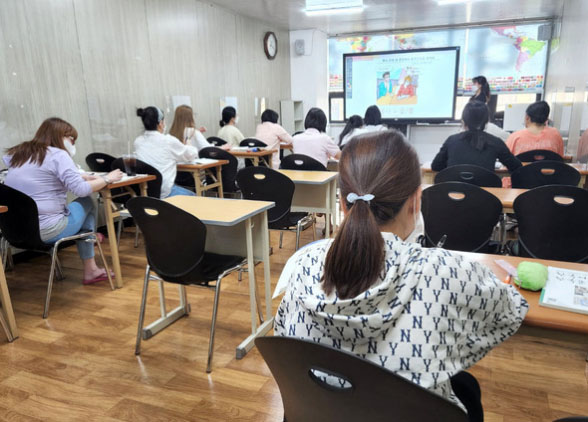
Option 1: University Language Institutes (The Classic, Intensive Route)
These are the most prestigious and internationally recognized programs. Think of them as the gold standard for full immersion.
The Vibe: Academic, intensive, structured. You’ll be on a proper university campus, which is fantastic for meeting fellow students from all over the world. The curriculum moves fast and focuses heavily on reading, writing, and grammar—essential for passing the TOPIK (Test of Proficiency in Korean).
Best For: Serious learners who want to achieve fluency for academic purposes, future jobs in Korea, or those who need a D-4 Student Visa (which these programs facilitate).
Top Picks: Yonsei University KLI (Korean Language Institute), Sogang University KLP (Korean Language Program) (famous for its strong conversational focus), Seoul National University (SNU).
The Commitment: Programs usually run in 10-week terms (4 terms per year), with classes typically held 4–5 hours a day. It’s a full-time job, so be ready to study!
The Cost: Generally the most expensive option, but you’re paying for quality and the university name recognition.
Option 2: Private Academies (The Flexible, Practical Route)
Private academies, or Hagwons, are everywhere, offering a huge range of schedules and class types. This is the choice for anyone already living and working in Korea.
The Vibe: Flexible, practical, and fast-paced. They often focus on real-world conversational skills and specific goals (like passing TOPIK in a short time, or business Korean). Class sizes are usually smaller than universities.
Best For: Working professionals, F-6 visa holders, or exchange students who need part-time evening/weekend classes, or those seeking intensive one-on-one tutoring.
Top Picks: Look for major chains near university areas (like Jongno or Gangnam) that specialize in specific areas, such as conversation or writing. Lexis Korea or Ganada Korean Language Institute are often cited.
The Commitment: You can customize your classes, taking just a few hours a week or signing up for a short, hyper-intensive two-week course. No D-4 visa sponsorship is usually offered here.
The Cost: Highly variable, but generally less expensive per term than universities. You pay for what you use.
Option 3: Local Cultural Centers & Free Programs (The Community Route)
Don’t overlook the resources available right in your neighborhood! Many local government centers or churches offer free or low-cost classes.
The Vibe: Community-focused, friendly, and slower-paced. The goal is often integration into Korean society and basic daily communication.
Best For: Long-term residents, spouses of Koreans, or retirees who prioritize cultural immersion and meeting local people over rapid academic advancement. It’s a fantastic way to practice your Hangul in a low-pressure environment.
How to Find Them: Check your local Immigration Office or Gu (District) Office website for multicultural family support centers.
The Commitment: Usually once or twice a week, often in the evenings. Perfect for complementing a university program or independent study.
The Cost: Often free or symbolic (e.g., a small material fee). Unbeatable value!
Your Pre-Enrollment Checklist: Don’t Forget This!
Visa Status: Do you need a student visa (D-4)? Only accredited university programs can sponsor this. If you’re already on an E-2 or F-series visa, you can enroll anywhere part-time.
Location: Do you want to study near the global hub (Gangnam, Hongdae) or prefer a quieter, more traditional neighborhood (Sinchon, Jongno)?
Intensity: Do you want full immersion (University) or flexible hours (Hagwon)?
TOPIK Focus: If you plan on taking the TOPIK exam, ensure your curriculum specifically prepares you for it, as some conversation-focused schools might not cover the necessary high-level grammar and essay writing.
Good luck with your Korean journey—it’s tough, but absolutely worth it! Fighting!