Renting in Korea: What Foreigners Need to Know First
If you’re planning to live in Korea—whether for study, work, or a life adventure—you’ll discover something quickly: renting in Korea is not the same as renting in most English-speaking countries. The system has its own rules, customs, and paperwork quirks that can either make you feel like a housing pro… or leave you staring at your contract wondering why the deposit is the size of a small spaceship.
Here’s a clear, friendly guide from a Korean local to help you navigate the rental world with confidence before you start signing anything.
1. Yes, the Deposit System Is Different
One of the first shocks foreigners experience is the deposit.
Korea uses two major rental styles:
- Wolse: smaller deposit + monthly rent
- Jeonse: huge deposit + no monthly rent
Even basic Wolse rentals often require a higher deposit than what you might expect in Western countries. Don’t panic—this is normal, and you’ll get the deposit back when the contract ends as long as there are no major damages.
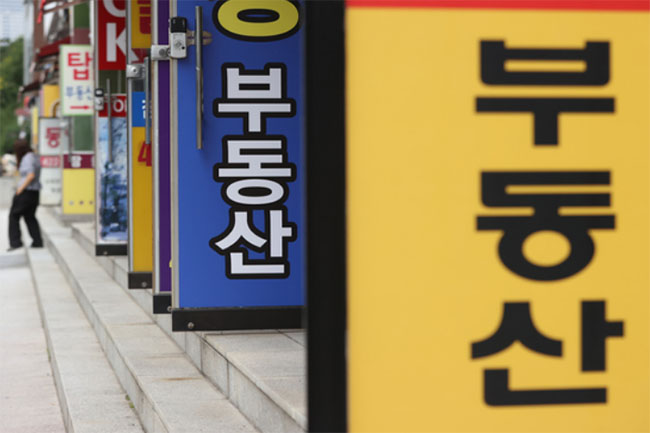
2. Most Rentals Happen Through Real Estate Agencies
In Korea, nearly everyone uses licensed realtors called budongsan.
You walk into an office, explain your budget and preferred area, and they show you available listings.
Why it matters:
- Realtors know which landlords are foreigner-friendly
- They help handle the contract
- Their fee is standardized and usually paid at signing
Trying to rent directly from a landlord is uncommon and often risky for newcomers.
3. Expect Paperwork—But Nothing You Can’t Handle
To rent in Korea, you’ll typically need:
- Passport
- ARC (Alien Registration Card) or proof it’s in process
- Korean bank account
- Employment or school verification (sometimes)
Landlords want assurance that tenants have stable ties in Korea, so don’t be surprised by the questions. It’s normal, not personal.
4. Maintenance Fees Are Not Optional
Almost every apartment, officetel, or one-room comes with a monthly maintenance fee.
This can include:
- Building cleaning
- Security
- Elevator fees
- Garbage disposal
- Sometimes water or heating
Always ask about it. A cheap monthly rent with high maintenance fees can cost more than you expect.
5. Housing Types Might Not Be What You’re Used To
Foreigners quickly notice that Korean apartments come in several standard formats:
- One-room (studio): simple, compact, perfect for students
- Officetel: modern studio/loft-style units, great for foreigners
- Villa: low-rise buildings, larger spaces, budget-friendly
- Apartment: larger homes, ideal for families, pricier
Don’t be fooled by the word “villa”—it’s not Italian luxury, but it’s often a great deal.
6. Location Matters More Than You Think
Korea is extremely transportation-friendly.
This means:
- Living one or two subway stops farther can save serious money
- Buses run everywhere
- Commuting is usually manageable
But also keep in mind:
- Popular expat neighborhoods cost more
- University areas fill quickly
- Older buildings can mean lower rent but less insulation
Choose based on your lifestyle, not just the map.
7. Check What’s Actually Included in the Unit
Don’t assume anything.
Some places include:
- Bed
- Washing machine
- AC
- Induction stove
- Desk and chair
- Others come completely empty.
Ask before signing, or you might end up furnishing your whole room from scratch.
8. Heating and Cooling Work Differently
Korea uses ondol, a floor-heating system that keeps homes incredibly warm in winter.
Air conditioning, however, is often a single wall unit rather than central AC.
Electricity costs can rise in summer if you’re running it constantly, so factor that into your monthly budget.
9. Photos Are Not Always Reality
Online rental photos in Korea are… optimistic.
Rooms often look bigger and brighter in listings than they actually are.
Seeing the place in person is essential.
Your realtor will show you multiple units anyway—never sign sight unseen.
10. Contracts Are Usually Two Years
The standard lease term is two years, even for Wolse.
Some landlords allow one-year or shorter contracts, but these tend to be more expensive or limited in selection.
Plan your timeline realistically before committing.
Final Thoughts
Renting in Korea can seem overwhelming at first, but once you understand the basic system, it becomes much easier to navigate. Whether you want a modern officetel near the city center or a quiet villa in a local neighborhood, Korea offers plenty of options—just with its own style and rules.
With the right information and a good realtor, you’ll find a place that feels like home faster than you think.