
Should You Write Your Resume in Korean or English?
A Korean Local’s Straightforward Guide for Foreign Job Seekers
If you’re thinking about working in Korea, one of the first questions you’ll face is this: Should I write my resume in Korean, or is English okay? It’s a surprisingly complex decision if you look beneath the surface, and getting it right can make the difference between landing an interview and getting ignored.
As a Korean woman who interacts with both locals and foreigners in professional settings, let me break this down from the inside out—no buzzwords, no fluff, just real advice.
First: It Depends on the Job and the Company
There is no universal answer, but there are clear patterns in the Korean job market.
In general:
- Local Korean companies tend to expect resumes in Korean.
- Multinational companies or startups with English working language are more comfortable with English resumes.
- Some companies request both.
Understanding the company’s culture and language policy is the first step in deciding which resume to prepare.
Why Korean Resumes Matter in Local Companies
Korean language resumes are usually called 자기소개서 (jagisogaeseo) and 이력서 (ireokseo).
Here’s why they matter:
First, Korean HR teams often cannot read English resumes comfortably. Even if they have basic English skills, evaluating language, nuance, and professional tone accurately in English is not easy.
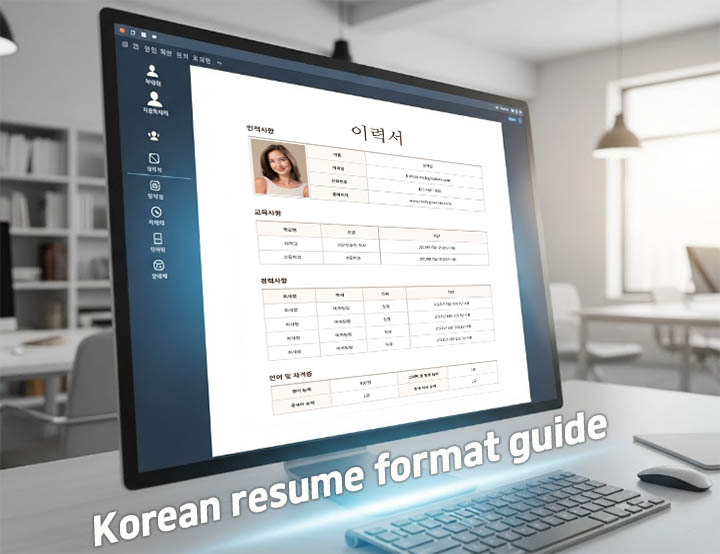
Second, Korean resumes follow specific formats that are very structured compared to Western CVs. They often include:
- Personal information with photo
- Education history with dates and details
- Specific sections like “Strengths” and “Motivation” written in narrative form
If you submit a Western-style resume to a Korean company, HR might struggle to map your information to their evaluation criteria.
English Resumes in Multinational or English-Friendly Workplaces
If you’re applying to a foreign-owned company in Korea, or a Korean company that uses English internally, an English resume might be perfectly acceptable—or even preferred.
Good examples include:
- International consulting firms
- Tech companies with global teams
- Startups that list English fluency as a skill
In these environments, your English resume can highlight your communication skills and global experience without language barriers.
Should You Submit Both?
In many cases, the safest strategy is to prepare both Korean and English resumes.
Here’s why this works well:
- Korean HR sees your effort to integrate into local culture
- English speakers on the team can evaluate your language and international experience
- You reduce the risk of miscommunication or overlooked qualifications
Submitting both versions shows flexibility and professionalism.
What Should a Korean Resume Look Like?
Korean resumes are not just translated English resumes.
They usually include:
- A professional photo (passport-style)
- Date of birth and contact information
- Detailed education and job history in chronological order
- Narrative answers to specific questions (motivation, strengths, career goals)
- Occasionally, fields for military service or certifications
This format may feel unfamiliar and personal compared to Western CVs. But it’s standard practice here.
How to Handle Your Resume If You’re Not Fluent in Korean
Here’s where many foreign job seekers get stuck.
If you don’t speak Korean fluently but want to apply to Korean companies:
- Hire a professional translator or resume consultant familiar with Korean HR standards
- Ask a Korean friend to review your resume for tone and natural language
- Focus on clear, simple language rather than complicated vocabulary
Korean recruiters appreciate effort and clarity more than overly complex language.
Common Mistakes to Avoid
Here are some pitfalls I see often:
- Submitting only an English resume to a company that clearly operates in Korean
- Translating word-for-word instead of adapting content for Korean HR expectations
- Using casual or overly literal Korean translations that sound unnatural
Investing time in a well-written Korean resume can significantly boost your chances in the Korean job market.
What About LinkedIn and Online Profiles?
Even if you are applying in Korea, having a strong English LinkedIn profile is beneficial, especially in global or foreign-oriented companies.
However, for jobs that rely heavily on local networks or internal referrals, a Korean resume often matters more than an online English profile.
It’s another reason why having both versions is useful.
Final Thoughts: Strategy Over Preference
There’s no one-size-fits-all answer, but here’s a simple guideline:
- Research the company’s language culture
- When in doubt, submit both Korean and English versions
- Make Korean resumes feel natural, not awkward translations
- Seek help from native speakers or professionals
By aligning your approach with what Korean HR professionals expect, you show respect for the culture and professionalism in your application.
Writing resumes is often tedious, but in Korea it’s also an opportunity to demonstrate your commitment to working here. A well-crafted resume can do more than list your skills; it can show that you understand how to communicate within Korean professional norms.