
Your Insider Guide to Korean Traditional Guesthouses (Hanok Stays)
Annyeonghaseyo, travelers! If your Korean itinerary only includes glass skyscrapers and modern hotels, you are missing out on one of the country’s most charming and coziest cultural experiences: the Hanok (한옥) stay.
A Hanok is a traditional Korean house, and staying in one is the ultimate cultural detox. But before you book, you probably have questions about sleeping on the floor and those paper-thin walls. As your Korean insider, I’m here to give you the comprehensive Korean Traditional Guesthouses Guide—with all the witty, practical advice you need.
1. What Exactly is a Hanok? (Architecture with a Soul)
A Hanok is defined by its unique architectural principles that prioritize harmony with nature. Key features include:
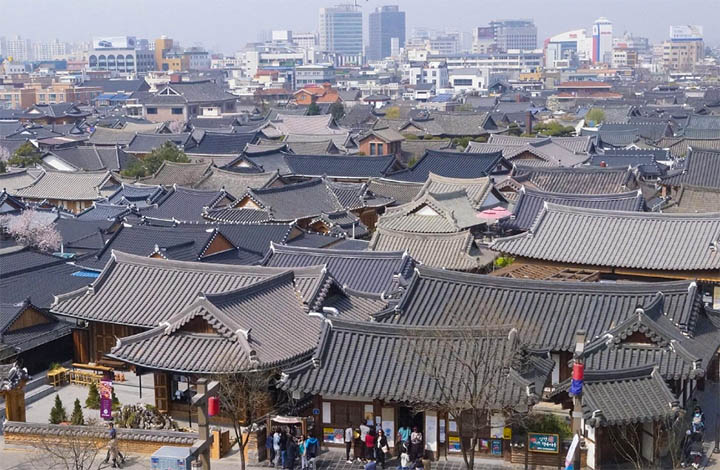
Curved Roofs: The tiled, sweeping roofs (Giwa, 기와) are instantly recognizable and beautiful.
Natural Materials: Built primarily from wood, earth, and stone, allowing the structure to “breathe.”
The Courtyard (Madang): Every Hanok centers around an open courtyard, which serves as a multipurpose space for light, ventilation, and quiet contemplation.
Staying in a Hanok isn’t just booking a room; it’s stepping back into a quieter, more intentional way of Korean life.
2. The Two Core Quirks (And Why You’ll Love Them)
This is usually where foreigners hesitate, but trust me—these traditional features are the best part of the experience.
A. The Magical Ondol Heating System
What it is: Ondol (온돌) is Korea’s famous traditional underfloor heating system. Instead of heating the air, heated water or air flows beneath the stone floor, warming the room from the ground up.
The Experience: It’s a different kind of luxury. Imagine coming in from a snowy Korean winter day and lying down on a floor that is perfectly, toastily warm. It feels incredible and eliminates the dry, stuffy feeling of central heating.
B. Embracing the Floor Bed (Yo)
What it is: You will not find a tall, fluffy mattress. You will sleep on a thin, cushioned mat called a Yo (요) placed directly on the Ondol-heated floor.
The Reality Check: Yes, it is firmer than your pillow-top mattress at home. But it is surprisingly comfortable, especially with the Ondol heat radiating through it. It’s often cited as being better for your back! Plus, when you wake up, you simply fold the Yo away, turning your bedroom into a daytime living area. Efficiency!
3. Where to Find Your Timeless Stay
Hanoks are preserved across the country, but some locations offer the best experience:
Seoul (Bukchon Hanok Village): The most famous, picturesque spot. Staying here means you have easy access to central Seoul attractions, but be prepared for high demand and a few more tourists.
Jeonju Hanok Village: If you want a more sprawling, truly immersive experience, head to Jeonju. The village is massive, car-free, and famous for its food (especially bibimbap!).
Gyeongju: The ancient capital. Temples and Hanoks blend seamlessly here, offering a more historical and serene vibe than Seoul.
4. Practical Tips for a Cozy Stay
Leave Your Shoes: This is non-negotiable in all Korean homes and Hanoks. You must remove your shoes before stepping onto the elevated wooden floor area.
Respect the Space: Hanok guesthouses are often meticulously maintained by their owners. Treat the delicate wood, paper doors (Hanji, 한지), and beautiful courtyards with the utmost respect.
A Hanok stay is the ultimate cultural immersion. It reminds you that sometimes, the simplest things—a warm floor, quiet wood, and a view of the sky—are the greatest luxuries.