What Life is Really Like for a Multicultural Family in Korea
Hey there! If you’re married to a Korean and raising a family here—or planning to—you’re part of one of Korea’s most fascinating social transformations. We’re talking about the multicultural family (Damunhwa Gajok), a vibrant blend of traditions, languages, and, let’s be honest, occasional cultural confusion.
As a local, I can tell you that Korea is changing fast. While some challenges remain, the support systems and the general public’s awareness of multicultural families are better than ever. Here’s a candid look at the unique joys and realities of building a life in Korea as a Damunhwa Gajok.
The Joys of the Cultural Cocktail
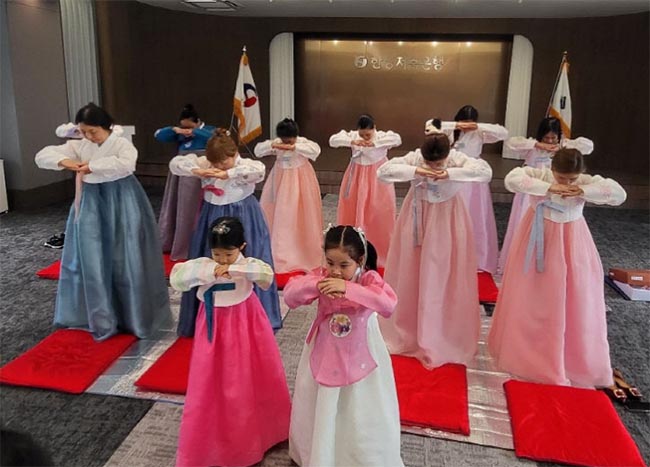
Being a multicultural family is a full-time masterclass in two different worlds. And the kids? They get the ultimate superpower.
Bilingual Superpowers: Your kids (Uri Ai) will likely grow up speaking two languages effortlessly. This isn’t just about communication; it’s about having two different cognitive frameworks. It’s a massive asset in Korea’s globally competitive society.
Double the Holidays, Double the Food: Imagine celebrating Chuseok (Korean Thanksgiving) with Songpyeon and then celebrating your spouse’s national holiday with their traditional feast. Your table is always a delicious mix of kimchi, mandu, and whatever culinary delights your home country offers.
The Family Network: Korean society is deeply rooted in communal support. Once your Korean in-laws embrace you (and they usually do, fiercely!), you gain an incredibly reliable support system—especially for childcare, which is a game-changer.
Navigating the Korean Context: Reality Checks
While the blending is beautiful, it doesn’t come without its unique set of challenges that require patience and communication.
1. The Language Labyrinth (Beyond Annyeonghaseyo)
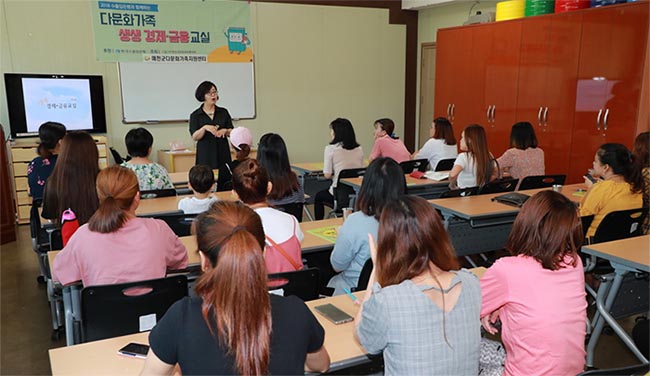
While children often pick up Korean quickly, the non-Korean spouse frequently faces an uphill battle. Although government resources are plentiful (see below!), the main challenge is often navigating complex Korean—especially when dealing with in-laws or school administration.
The In-Law Factor: Traditional Korean family structure emphasizes respect (Ye-ui), often conveyed through complex honorifics (Jondaemal). Misunderstandings here are rarely malicious but can feel deeply frustrating. Open communication, ideally with the Korean spouse acting as a “cultural translator,” is vital.
2. The Educational Pressure Cooker
Korean education is world-renowned, but it can be intense. Multicultural kids, while celebrated for their bilingualism, can sometimes face subtle pressures or curiosity from peers.
Hagwon Culture: The relentless cycle of Hagwons (after-school academies) is a big one. Families often have to decide whether to fully integrate into this demanding schedule or carve out a more balanced approach that honors the educational philosophy of the non-Korean parent.
3. Social Awareness and Identity
Though acceptance is growing, your children may occasionally deal with questions about their identity. The key is for parents to equip them with strong dual identities, teaching them to be proud of both their Korean heritage and their foreign one. Korea is actively pushing for a more inclusive mindset in schools, which helps immensely.
Resources and Support: You Are Not Alone!
The good news is that the Korean government and local communities are actively trying to support Damunhwa Gajok.
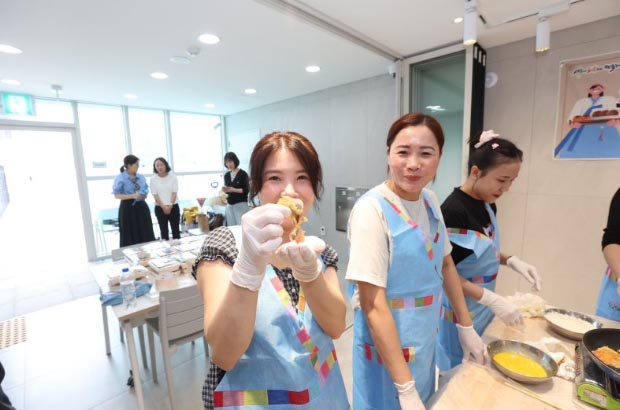
Multicultural Family Support Centers: These centers (Damunhwa Gajok Jayeon Center) are your best friends. They offer free Korean language classes, cultural adaptation programs, counseling, and even job placement help. They are usually run by the local Gu (district) office.
Financial Support: Depending on income, some families qualify for childcare subsidies or educational grants.
Social Networks: Seek out local expat and multicultural family groups on social media. Sharing experiences and frustrations with those who get it is therapeutic and essential.
Life in Korea as a multicultural family is a wonderful, sometimes chaotic, experience that requires extra effort, endless kimchi, and a good sense of humor. Embrace the blend—it’s truly the best part!