
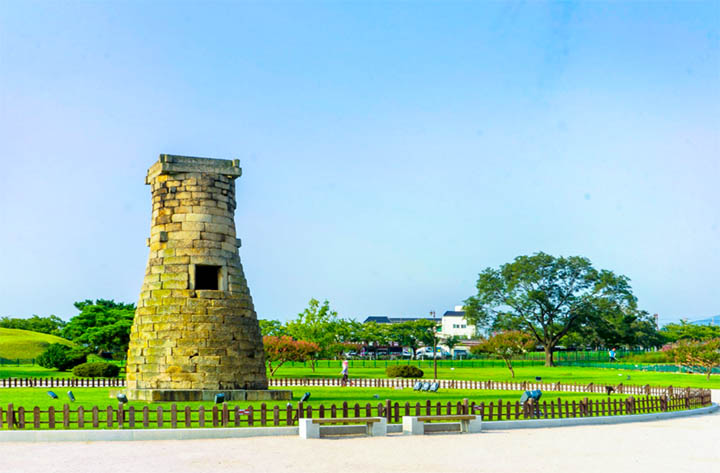
Why Gyeongju is the Undisputed Historical Heart of Korea
You might visit Seoul for the skyscrapers and K-Pop, but if you want to understand the soul of ancient Korea, you must board the KTX and head south to Gyeongju (경주). Forget Seoul’s 600 years of history; Gyeongju holds nearly a millennium of continuous royal power.
Gyeongju isn’t just a city with a few old monuments; it’s an open-air museum, a sprawling, quiet landscape dotted with temples, tombs, and palaces that tell the story of the glorious Silla Kingdom (신라, 57 BC – 935 AD). This city is the foundation upon which much of modern Korean identity and history is built.
As a local, I’m here to explain why Gyeongju holds the crown as the most historic city in Korea and why your history pilgrimage starts here.
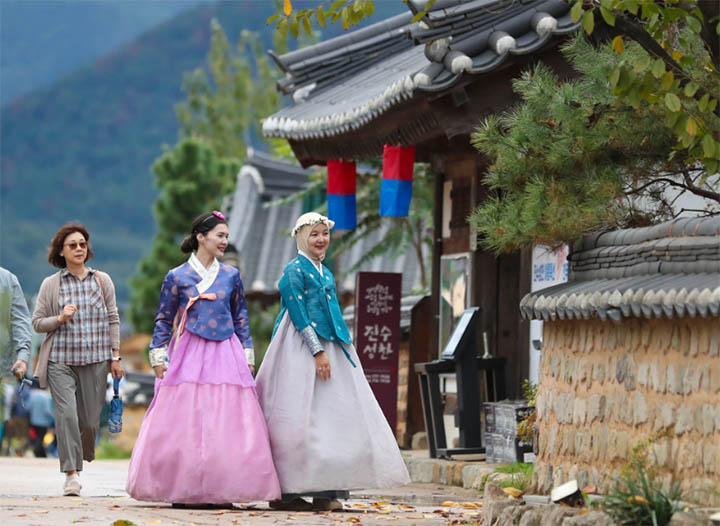
1. The Millennium Capital: Unmatched Longevity
Gyeongju’s claim to fame is its time as the capital of the Silla Kingdom, one of the ancient “Three Kingdoms” of Korea.
The Shocking Fact: For nearly 1,000 years (992 years, to be exact!), Gyeongju was the sole political and cultural center of the Korean peninsula. No other city in Korea comes close to this record of continuous royal governance.
The Result: This stability allowed Silla to develop an incredibly advanced culture, religion (Buddhism), and architecture, leaving behind a density of historical artifacts that is unparalleled.
2. The City of Rolling Tombs (An Open-Air Museum)
Gyeongju’s landscape is immediately distinguishable from any other Korean city.
The Scenery: Instead of skyscrapers, you see massive, perfectly conical, grass-covered hills rolling across the city center. These aren’t hills; they are the tombs of Silla royalty and nobility.
The Vibe: The Daereungwon Tomb Complex (대릉원), in the heart of the city, is perhaps the most iconic sight. Walking among these silent, grassy pyramids is a surreal experience that instantly transports you back centuries. Unlike Egyptian pyramids, many of these Silla tombs remain relatively undisturbed, adding to their mystery.
3. UNESCO Triple Threat (The Architectural Wonders)
Gyeongju is home to several UNESCO World Heritage Sites that represent the pinnacle of Silla art and architecture.
Bulguksa Temple (불국사): This is one of Korea’s most important Buddhist sites, renowned for its stone terraces, elegant bridges, and tranquil setting. It’s a masterpiece of Silla architecture.
Seokguram Grotto (석굴암): A short drive from Bulguksa, this artificial cave temple houses a sublime, perfectly proportioned stone Buddha statue. It’s considered one of the finest examples of classical Buddhist art in East Asia.
The Gyeongju Historic Areas: The entire central area is protected, including the palace site, forest parks, and temple ruins.
4. A History That Shaped Modern Korea
Silla’s history isn’t just old; it’s fundamental. Silla was the kingdom that eventually unified the peninsula, creating the single national identity that persisted until the Joseon Dynasty. Visiting Gyeongju is visiting the birthplace of a unified Korea.
Your Gyeongju Mission
Gyeongju is the perfect counterpoint to Seoul. Rent a bike, visit the serene Donggung Palace and Wolji Pond at night (the reflection of the illuminated palace is magical), and feel the weight of a thousand years of history. You’ll leave with a profound appreciation for Korea’s deep, ancient roots.