
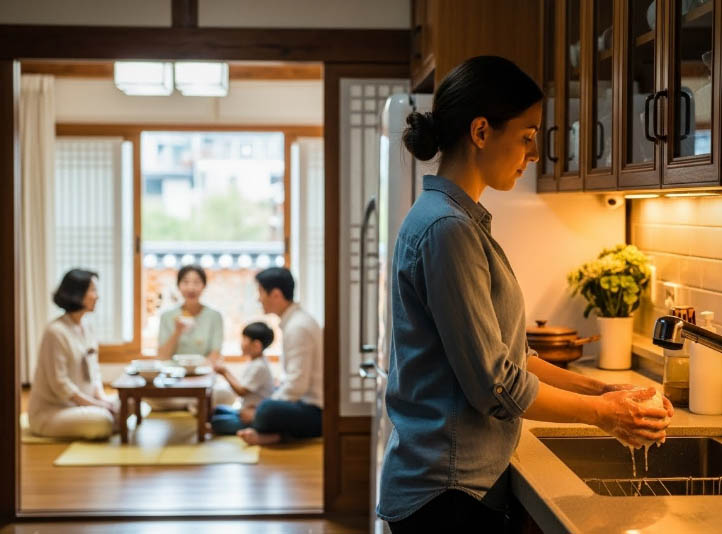
Tips for Conflict Resolution with Korean In-Laws
A Korean Local’s Honest Advice for International Spouses
Living with or interacting regularly with Korean in-laws can be a deeply rewarding experience — but it can also be a source of stress for many international spouses. Korean family dynamics are shaped by history, tradition, and unspoken social rules that may not exist in Western settings. As a Korean woman who has seen countless multicultural couples navigate these waters, I can tell you this clearly: most conflicts are not about love, but about expectations.
Here’s a thoughtful, practical guide to help you understand the cultural landscape and resolve conflicts with Korean in-laws in ways that build respect and peace.
Why Conflicts with Korean In-Laws Happen
Before jumping into solutions, it helps to understand the common root causes:
- Cultural differences in communication
- Different views on roles and responsibilities
- Unspoken expectations about respect and hierarchy
- Generational values about family life
- Language barriers
None of these issues are unique to Korea — they just show up more often because Korean culture emphasizes harmony, respect for elders, and indirect communication.
Start with Understanding, Not Defense
One of the biggest mistakes foreign spouses make is assuming conflict means personal rejection. In Korea, criticism — especially expressed indirectly — is often about correcting behavior to maintain harmony, not about personal dislike.
Instead of reacting defensively, try to see the intent behind the words. Often, Korean in-laws are trying to be helpful, even if the method feels awkward.
Clear Communication Is Crucial, But Take It Step by Step
Korean communication styles can be indirect. A Korean mother-in-law may hint that something is “not quite right,” expecting you to understand and adjust. This can be confusing.
To address this:
- Ask gentle, open-ended questions
- Clarify vague statements politely
- Use “I’m learning” language rather than confrontation
For example, instead of saying “That’s not how we do it at home,” try:
“I’d love to understand your way so I can help better.”
This signals respect rather than resistance.
Respect Hierarchy, But Set Healthy Boundaries
Korean culture places a high value on age and seniority. In-laws may expect deference even when it’s unspoken. This doesn’t mean never expressing your needs — it means expressing them with respectful language and timing.
If a boundary needs to be set, choose calm moments, not moments of conflict. Frame your request in terms of care for the family, not opposition.
For example:
“I really want to help with meals, but I find I’m most helpful in the mornings. Could we try that?”
This approach acknowledges respect while communicating your needs.
Learn Some Korean — It Makes a Huge Difference
Even a few phrases can change the tone of conversations with in-laws. Simple efforts like greeting in Korean, thanking in Korean, or asking for clarification in Korean show genuine effort to bridge cultural gaps.
Korean in-laws often appreciate effort more than perfection.
Use Humor and Warmth to Defuse Tension
Korea values harmony and shared laughter. Light jokes about household quirks or food preferences can ease tension. If you share something with a smile rather than a challenge, in-laws are more likely to respond with warmth.
Just be cautious — humor should never be at someone else’s expense.
Find Neutral Ground and Shared Interests
Sometimes the best conflict resolution isn’t about solving the problem directly, but finding something you both enjoy.
Shared activities like:
- Cooking familiar food together
- Going for walks
- Attending cultural events
- Sharing family stories
These moments build trust and make difficult conversations easier later on.
When Misunderstandings Are Really About Values
Some disagreements stem from deeper values, like:
- Child-rearing preferences
- Work-life balance
- Gender roles
- Family roles
These are not small issues, and they may require ongoing conversations, not quick fixes. Respectful discussion rather than immediate agreement is the goal. Sometimes agreeing to disagree on minor points, while aligning on big values, is the healthiest path.
Ask for Support from Your Partner
Your Korean spouse has grown up in this cultural context. They can help interpret meaning, tone, and unspoken cues that are invisible to foreign eyes. In many cases, the partner acts as a bridge — not a judge, not a messenger, but a translator of social nuance.
Professional Support Is Okay Too
If conflicts become persistent or emotionally heavy, there is nothing wrong with seeking external support. Counseling, cultural coaching, and couples therapy are becoming more accepted in Korea, especially among younger families.
As a local, I can tell you that older generations see this as serious care, not weakness.
A Korean Woman’s Honest Take
Korean families are deeply rooted in respect, loyalty, and collective identity. They care fiercely, sometimes in ways that feel intense or confusing.
Conflict with in-laws usually does not come from ill will; it comes from love expressed differently. Understanding this is the first step toward harmony.
Final Thoughts
Conflict with Korean in-laws can feel like navigating a cultural maze. But with patience, curiosity, and small intentional steps, many families turn those early challenges into lifelong bonds built on mutual respect and shared laughter.
The Epic Appeal: Why Korean Historical Dramas (Sageuk) Are Loved Worldwide