
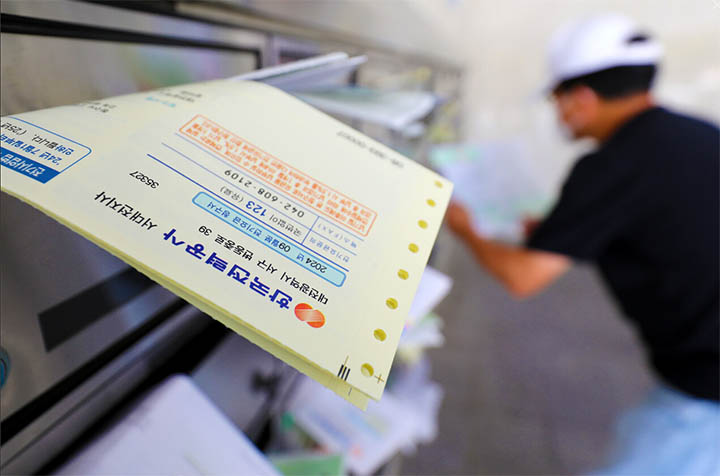
Translation of Korea’s Utility Bill
A Local’s Guide to Reading Korean Bills Without Panic
The first time a foreigner receives a Korean utility bill, the reaction is almost always the same: confusion, mild panic, and a lot of Google searching. Everything is written in Korean, numbers are everywhere, and it’s not immediately clear what is due, when it’s due, or how to pay it.
As a Korean local, I want to reassure you of something important right away: Korean utility bills look intimidating, but they follow a very consistent structure. Once you understand the key terms, you’ll be able to read any bill with confidence.
This guide translates and explains the most common sections of Korean utility bills so you can understand them like a local.
What Types of Utility Bills You’ll See in Korea
Most people living in Korea receive some combination of these bills:
- Electricity bill
- Gas bill
- Water bill
- Building maintenance fee notice
Each one looks slightly different, but the language patterns are very similar.
Key Korean Words You’ll See on Almost Every Bill
Let’s start with the words that appear again and again.
요금 (Yogeum)
This simply means fee or charge. If you see this word, it’s about money.
청구금액 (Cheonggu Geumaek)
This means amount billed. This is one of the most important numbers on the page.
납부금액 (Napbu Geumaek)
This means amount to pay. This is usually the final amount you owe.
납부기한 (Napbu Gihan)
This means payment deadline. Missing this date can result in late fees.
From a local perspective, these four terms are the backbone of every bill.
Electricity Bill: Common Terms Explained
Electricity bills are usually issued monthly.
전기요금
Electricity charge.
사용량 (Sayongryang)
Usage amount. This shows how much electricity you consumed.
당월 (Dangwol)
This month.
전월 (Jeonwol)
Previous month.
기본요금 (Gibon Yogeum)
Base fee. This is a fixed charge.
사용요금 (Sayong Yogeum)
Usage-based fee.
부가가치세 (Bugagachise)
Value-added tax (VAT). Yes, it’s included.
When reading an electricity bill, the number next to 납부금액 is the one that matters most.
Gas Bill: Why Winter Bills Look Scarier
Gas bills often arrive every one or two months and increase sharply in winter.
도시가스 (Dosigas)
City gas.
난방 (Nanbang)
Heating.
온수 (Onsu)
Hot water.
검침량 (Geomchimbang)
Meter reading.
사용기간 (Sayong Gigan)
Usage period.
If you see words related to heating, it explains why your winter bill is higher. Locals expect this, even if we don’t like it.
Water Bill: Usually the Simplest
Water bills are often shorter and easier to understand.
수도요금 (Sudoyogeum)
Water charge.
하수도요금 (Hasudoyogeum)
Sewage fee.
사용수량 (Sayong Suryang)
Amount of water used.
상수도 (Sangsudo)
Water supply.
Water bills are often combined with sewage charges, which surprises many foreigners.
Maintenance Fee Notices: Not a Utility, But Looks Like One
Maintenance fee notices are common in apartments and officetels.
관리비 (Gwanlibi)
Maintenance fee.
공용관리비 (Gongyong Gwanlibi)
Common area maintenance.
청소비 (Cheongsobi)
Cleaning fee.
승강기유지비 (Seunggangi Yuji-bi)
Elevator maintenance fee.
경비비 (Gyeongbibi)
Security fee.
Maintenance fees are mandatory and not negotiable. Locals treat them as part of rent.
Payment Information Section: What to Look For
Near the bottom of most bills, you’ll see payment details.
납부방법 (Napbu Bangbeop)
Payment method.
계좌번호 (Gyejwa Beonho)
Bank account number.
가상계좌 (Gasang Gyejwa)
Virtual account. You transfer the exact amount here.
자동이체 (Jadong Iche)
Automatic payment.
Many Koreans use automatic payment, but convenience store payment is also common.
Convenience Store Payment Words
If your bill can be paid at a convenience store, look for:
편의점 납부 가능
Payment available at convenience stores.
This is one of the easiest options for foreigners, especially at the beginning.
Common Mistakes Foreigners Make When Reading Bills
From a local point of view, these are very common:
- Paying the wrong amount because they didn’t look for 납부금액
- Missing the payment deadline
- Assuming utilities are included in rent
- Ignoring paper bills thinking they are just notices
- Not realizing maintenance fees are separate
Once you recognize the key terms, these mistakes disappear.
Why Korean Bills Look So Dense
Korean bills include a lot of detail because the system values transparency. You’re seeing base fees, usage breakdowns, taxes, and comparisons with previous months.
It’s not meant to confuse you. It’s meant to document everything.
Final Thoughts from a Korean Local
Understanding a Korean utility bill is a rite of passage for foreigners living here. Once you get past the first few, it becomes routine.
You don’t need to translate every word. You just need to recognize the key sections: usage, total amount, and payment deadline.
After that, Korean utility bills stop being scary and start being just another part of daily life. And honestly, that’s when Korea begins to feel like home.