Use the Cultural Center of Multicultural Families in Korea Generously: A Local Perspective
Living in another country often looks exciting from the outside, but the day-to-day reality can feel very different. For multicultural families in Korea, small challenges tend to pile up quickly — language barriers, paperwork, parenting questions, and simple loneliness. That’s exactly why Korea’s Cultural Centers for Multicultural Families exist, and yet many foreign spouses barely use them.
As a Korean local who regularly sees multicultural families navigate life here, I can say this with confidence: these centers are one of the most practical and underappreciated resources available in Korea.
What Exactly Is a Cultural Center for Multicultural Families?
Cultural Centers for Multicultural Families are government-supported community spaces designed for families where one or more members are not Korean. They are not emergency services or charity organizations. Instead, they function as everyday support hubs that help families settle, communicate, and connect.
These centers provide language classes, family education programs, counseling, and community activities — all tailored specifically to multicultural households. Once you step inside, you’ll notice they feel far more approachable than most official offices in Korea.
Why Korea Invests in These Centers
Korean society has changed quickly over the past few decades. International marriages and multicultural families are no longer rare, especially outside major cities. Rather than leaving families to figure everything out on their own, Korea created these centers to support long-term stability and social integration.
The goal isn’t assimilation. It’s balance — helping families live comfortably in Korea while respecting cultural differences on both sides.
Language Support That Actually Helps in Real Life
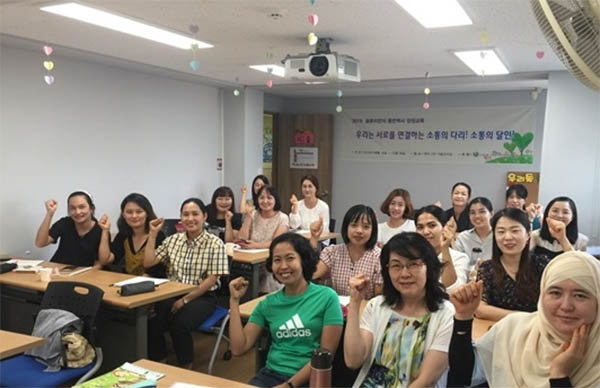
Language is often the biggest obstacle for foreign spouses. Even those who speak conversational Korean can struggle with hospital visits, school notices, or government paperwork.
At multicultural family centers, language support is practical rather than academic. Classes focus on everyday situations, and staff members often help explain documents line by line. For many families, this support reduces stress more than any textbook ever could.
Parenting Support for Bicultural Families
Raising children in a multicultural household comes with unique questions. How much Korean should children use at home? How do schools treat multicultural students? How do parents explain cultural differences without confusion?
Cultural centers regularly offer parenting workshops, family counseling, and child development programs designed specifically for multicultural families. These programs help parents feel less alone and more confident in their choices.
Help With Paperwork and Administration
Korea is efficient, but it is also paperwork-heavy. Visa renewals, residency registration, childcare benefits, school enrollment, and health insurance can feel overwhelming — especially when everything is in Korean.
Multicultural family centers often guide families through these processes. They don’t replace government offices, but they help you understand what to prepare, where to go, and what to expect before you get there.
Community Events That Build Real Connections
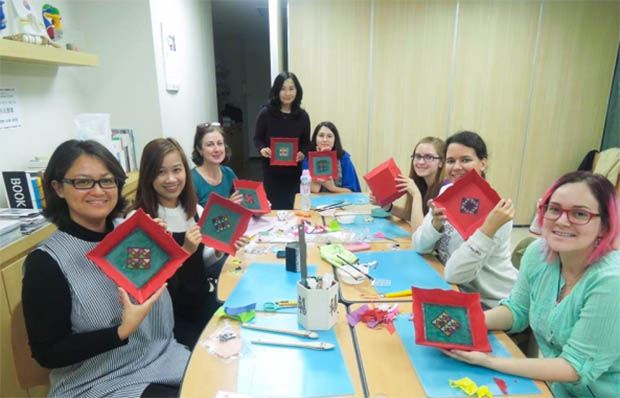
One of the quiet struggles many foreign spouses face is isolation. Cultural centers host events that may look simple — cooking classes, holiday gatherings, family activity days — but their impact is meaningful.
These events create natural opportunities to meet other families who understand your situation. Over time, many people form friendships that extend well beyond the center itself.
Emotional Support Matters More Than You Think
Adjusting to life in Korea isn’t only about logistics. Emotional fatigue, culture shock, and identity confusion are common, especially during the first few years.
Many centers provide counseling services and peer support groups where people can speak openly without fear of judgment. Sometimes, just being heard by someone who understands both Korean culture and multicultural family life can make a huge difference.
Support for Children Growing Up Multicultural
Children from multicultural families often navigate two languages and two cultures at once. Cultural centers offer educational programs, tutoring, and cultural activities that help children build confidence in both identities.
These programs are not about labeling children as different, but about helping them feel secure in who they are.
How to Start Using Your Local Center
Most regions in Korea have at least one multicultural family center, and large cities have several. Registration is usually simple, and many programs are free or low-cost.
Visit once, ask questions, and attend a class or event. You don’t need a special reason to go — curiosity is enough.
Why “Using It Generously” Really Matters
Many families treat these centers as something to visit only when there’s a problem. In reality, the families who benefit the most are those who use them regularly.
These centers are not a last resort. They are a foundation — a place where information, community, and support quietly come together.
If you are building a life in Korea as part of a multicultural family, don’t hesitate to lean on the support that already exists for you.