
Wedding Ring vs Engagement Ring Culture in Korea
What Foreigners Often Misunderstand, Explained by a Korean Local
If you grew up with Hollywood movies or Western wedding traditions, you probably assume that an engagement ring is the star of the show. In Korea, things work a little differently. As a Korean woman, I see foreigners get confused about this all the time, and honestly, the confusion makes sense.
In Korea, wedding rings and engagement rings play very different roles, and sometimes the engagement ring barely plays a role at all.
Do Koreans Even Use Engagement Rings?
Yes, but not in the way you might expect.
Engagement rings exist in Korea, but they are not mandatory, and they are often understated. Some couples skip them entirely. Others buy one later, after the wedding, or treat it as a gift rather than a public symbol of engagement.
What matters more socially is the wedding ring, not the engagement ring.
Wedding Rings Are the Real Priority
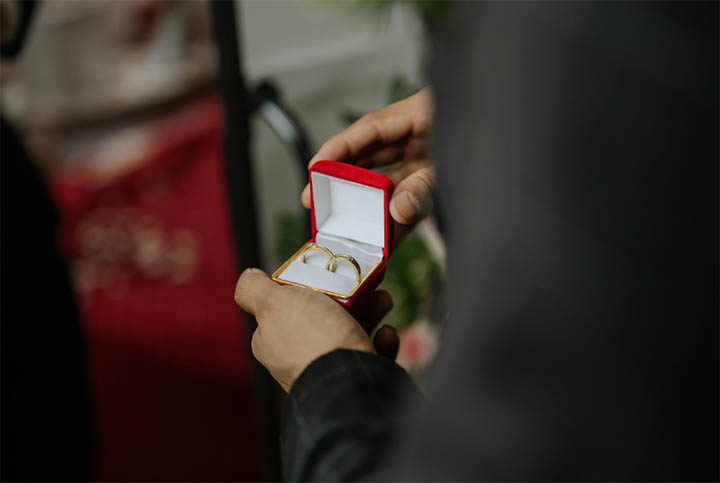
In Korean culture, wedding rings symbolize commitment in everyday life. They are meant to be worn daily, not stored in a jewelry box.
That’s why Korean wedding rings tend to be:
Simple and minimal
Comfortable for daily wear
Matching between partners
The idea is practicality. If you are wearing something every day, it should fit your lifestyle, not interrupt it.
Why Matching Rings Matter So Much
Matching wedding bands are extremely important in Korea. They visually represent unity and equality. It is very common to see couples proudly wearing identical rings, even before the wedding day.
For many Koreans, this feels more meaningful than a large diamond worn by only one partner.
The Proposal Culture Is Changing, Slowly
Traditional Korean proposals were often private and practical. Public proposals with big engagement rings were rare.
Today, younger couples influenced by global culture do enjoy romantic proposals, sometimes with an engagement ring. But even then, the ring is not always the most expensive or emotionally weighted part of the process.
Often, the proposal is about timing and sincerity, not jewelry.
Budgeting Logic: Why Engagement Rings Are Secondary
Korean couples typically approach marriage as a shared financial project. Housing deposits, wedding photos, family gifts, and ceremonies all require significant budgets.
Because of this, many couples feel it makes more sense to invest in durable wedding rings rather than an expensive engagement ring that will be worn occasionally.
Spending too much on an engagement ring can even be viewed as impractical.
How Foreigners Often Misread Korean Choices
Foreigners sometimes assume that a small or nonexistent engagement ring means a lack of romance. From a Korean perspective, that is simply not true.
Romance is expressed through consistency, effort, and shared responsibility, not necessarily through a large stone.
This difference in values often surprises Western couples marrying in Korea.
Luxury Brands vs Cultural Norms
Luxury engagement rings do exist in Korea, especially among celebrities or social media influencers. However, they are not considered a social requirement.
Wedding rings, on the other hand, are expected. Whether simple or branded, having wedding bands is culturally important.
Who Buys What in Korea?
Another cultural difference is purchasing responsibility.
Wedding rings are almost always chosen and paid for together. Engagement rings, if bought, are sometimes paid for by the proposer, but even this is negotiable.
Joint decision-making is seen as mature and respectful.
A Korean Woman’s Honest Perspective
From where I stand, the Korean approach removes a lot of pressure. There is less competition, less comparison, and more focus on what actually works for the couple.
The ring you wear every day ends up meaning more than the ring you wear once a year.
Is Korean Ring Culture Changing?
Yes, but slowly.
Younger generations are more open to Western-style engagement rings, but the core idea remains the same. Practicality first, symbolism through daily life, not display.
Final Thoughts
Understanding wedding ring versus engagement ring culture in Korea means letting go of assumptions shaped by movies and social media.
In Korea, commitment is not measured by carats. It is measured by consistency, shared responsibility, and the quiet decision to choose each other every day.
If you approach Korean wedding culture with curiosity instead of comparison, the logic behind it starts to feel surprisingly refreshing.
Beyond the Balm: Why Lip Oils Are the Secret Weapon of K-Beauty