
What Could K-Pop Demon Hunters Season 2 Be About?
A Thoughtful Look at the Clues Left Behind
It’s finally official. Netflix and Sony have reportedly completed their contract for a sequel to K-Pop Demon Hunters, with a target release year of 2029. For fans around the world
When the film premiered last June, it shattered records, becoming the first Netflix animation to surpass 300 million views. Industry analysts estimate that the production cost around 100 million USD, while global revenue may have exceeded 1 billion USD. A sequel was never really a question—it was only a matter of time.
If K-Pop Demon Hunters Season 2 arrives, another global phenomenon is almost guaranteed. But the real question is not whether it will succeed. It’s what kind of story it will tell next.
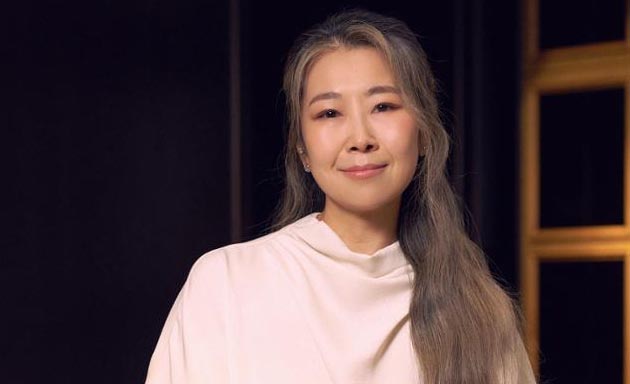
Only director Maggie Kang truly knows the answer. Still, Season 1 left behind too many unanswered questions to ignore.
Season 1 Didn’t End—It Opened a Door
One of the clearest signs that a sequel was always planned is the ending itself. Instead of sealing the story with a golden soul gate, the film closes with a rainbow-colored one. In visual storytelling, that choice matters. If the narrative were truly finished, the golden gate would have been the natural conclusion.
It wasn’t.
Maggie Kang has openly shared in interviews that she had far more stories she wanted to tell, but the runtime simply wouldn’t allow it. In fact, she has hinted more than once that she envisions the story stretching beyond a single sequel—possibly even into a third installment.
Season 2, then, feels less like a continuation and more like the beginning of the story she didn’t have time to tell.
The Biggest Mystery: Rumi’s Parents
At the heart of Season 2 is likely Rumi herself.
Season 1 reveals something crucial near the end: Mira and Joy become aware of the demon markings on Rumi’s body. That knowledge cannot simply be ignored without breaking narrative logic. It demands answers.
The most natural next step is confrontation.
Season 2 could open with Rumi, Mira, and Joy going directly to Celine, asking her to finally tell the truth. That conversation alone could serve as a powerful bridge into the past.
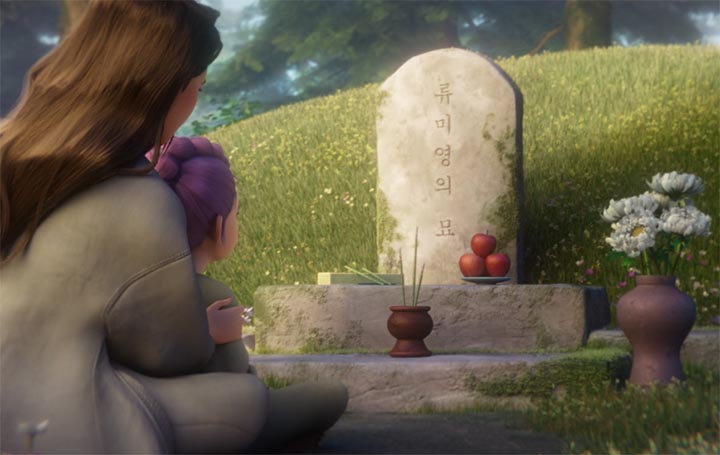
From there, the story may shift into a flashback—guided by Celine’s narration—revealing how Rumi’s mother, a Huntress, fell in love with Rumi’s father, a demon. Why did Celine end up raising Rumi? What truly happened to her mother? And what role did Celine herself play in that tragedy?
These are not side stories. They are the emotional core of the entire series.
Music as Conflict: Trot vs. Heavy Metal
One of Maggie Kang’s most intriguing interview comments was her desire to explore Korean trot music and heavy metal.
That hint feels anything but random.
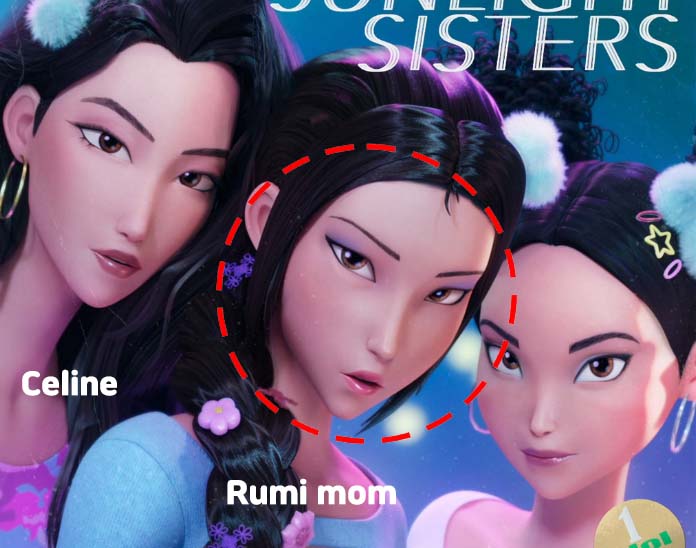
Huntresses traditionally fight evil through song, and they always appear in trios. If Rumi’s mother belonged to a previous generation of Huntresses, her musical style may have reflected her era—most likely trot. Her counterpart, a dem
Instead of swords or spells, their conflict may have unfolded through music itself. A rivalry. A duet. A shared rhythm that turned opposition into understanding.
From that clash, love—and eventually Rumi—was born.
If this storyline becomes the opening sequence of Season 2, it would not only deepen the mythology, but also create one of the most unexpected musical contrasts animation has ever seen.
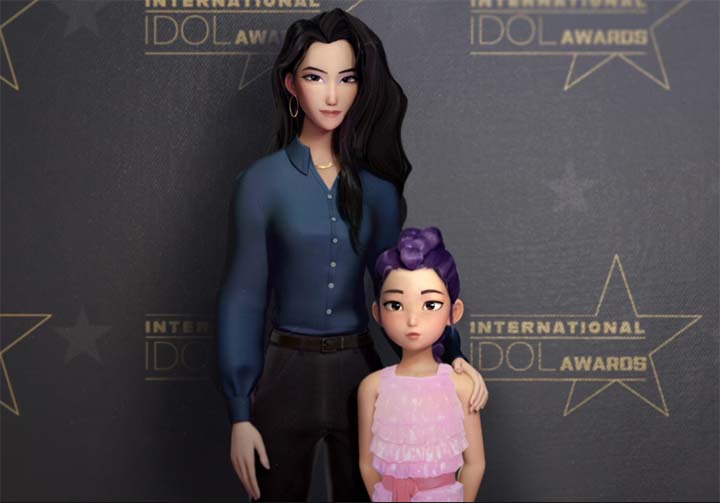
Celine’s Silence Has a Price
Celine is not just a guardian figure. She is part of the past she refuses to explain.
If she was once a Huntress alongside Rumi’s mother, then her silence carries weight. It suggests guilt, conflict, and unresolved grief. The death of Rumi’s mother likely fractured more than one relationship, and Season 2 may finally confront that emotional rupture.
This tension could redefine how viewers see Celine—not as a flawless protector, but as someone shaped by regret.
What About Mira and Joy?
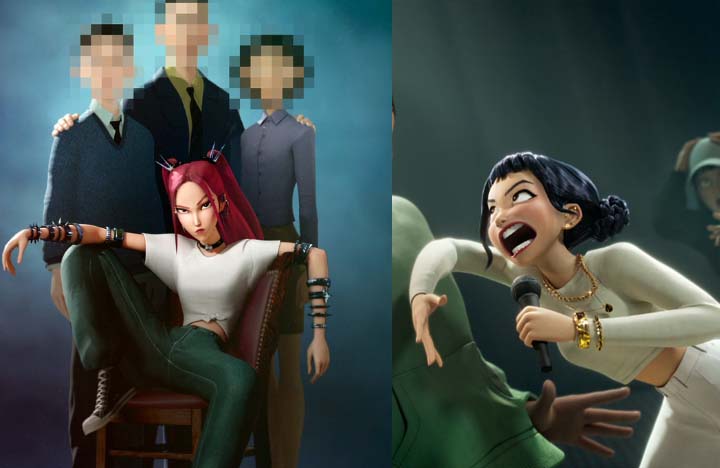
Season 1 gives us only fragments of Mira and Joy’s pasts, but those fragments are intentional.
Joy is shown writing lyrics alone near a subway entrance. A single photograph hints at her life as an underground rapper. Lyrics from the song Golden suggest her struggles with identity as a Korean American, caught between cultures and belonging fully to neither.
Mira, on the other hand, is introduced through subtle environmental storytelling. A framed family photo suggests wealth and stability, yet her personality hints at rebellion. It’s easy to imagine a childhood marked by conflict—one where her obsession with dance pushed her away from a comfortable life and into something uncertain.
Celine likely found them both when they were most vulnerable.
While Season 2 could explore these stories, it feels more likely that Maggie Kang is saving them for Season 3, allowing Season 2 to focus on Rumi’s origins and the legacy that shaped her.
The Opening Scene Will Matter More Than Ever
Season 1 opened with Celine’s narration and a rapid, emotionally charged introduction that pulled viewers in within minutes. Maggie Kang understands better than most how critical an opening sequence is—she spent over 20 years working as an animation storyboard arti
Season 2 will not repeat the same structure.
Instead, the opening may mirror the past rather than explain the present. A younger generation of Huntresses. A stage lit by trot music. A demon’s heavy metal performance tearing through the night. Two worlds colliding before we even see Rumi again.
That kind of opening wouldn’t just continue the story. It would reframe everything we thought we knew.
A Final Thought
Everything above is speculation—carefully reasoned, but still speculation. It’s built on narrative clues, visual symbolism, and Maggie Kang’s own words, but the true story of Season 2 exists only in her mind.
Still, one thing feels certain.
K-Pop Demon Hunters was never meant to be a single story. It’s a generational saga about music, identity, heritage, and the cost of silence.
Season 2 won’t just answer questions.
It will ask better ones.