
What Foreigners Need for a Bulletproof Korean Job Application
You’ve found the perfect job opening at a Korean company, but clicking “submit” isn’t as simple as uploading a quick resume and cover letter. The Korean job application process is meticulous, highly structured, and often requires documents and formatting that are vastly different from Western standards.
Failing to adhere to this blueprint suggests a lack of professionalism and attention to detail—a major red flag in a culture that values Seong-sil (sincerity/diligence).
As a local, I’m here to give you the candid, essential checklist of what foreigners need for a bulletproof Korean job application, ensuring your documents are compliant, respectful, and ready for scrutiny.
Pillar 1: The Essential Documents (The Non-Negotiables)
Your initial application must include the following, often requiring notarization or official translation.
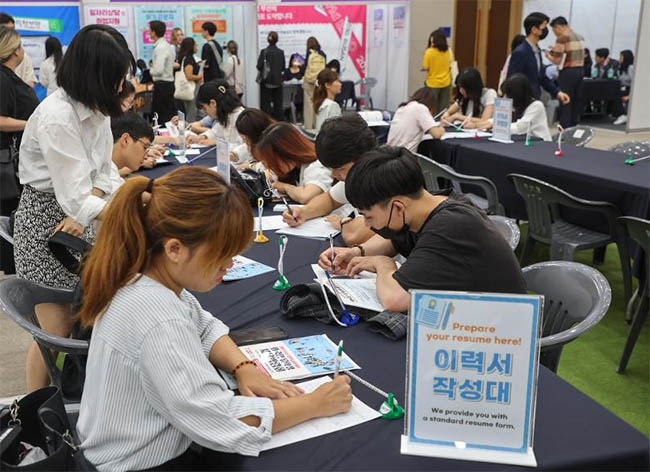
1. Korean-Style Resume (Iryeokseo, 이력서)
- What it needs: Unlike a short Western CV, the Iryeokseo is often standardized and includes personal details like your date of birth, photo, and military service status (if applicable). It prioritizes structure and formal presentation.
- Action: Never use a messy, casual resume. A clean, structured format signals respect.
2. Professional Photo
- What it needs: A recent, clear, professional headshot (suit/formal attire, neutral background). This is mandatory for most Korean resumes.
- Action: Get a photo taken at a Korean photo studio; they specialize in the perfect, neutral corporate look.
3. Cover Letter (Ja-gi So-gae-seo, 자기소개서)
- What it needs: This is less about job duties and more about your personality, work ethic, and cultural fit. Focus on your diligence, teamwork, and commitment to the company’s vision.
4. Academic Proof
- What it needs: Scanned copies of your Bachelor’s/Master’s degree certificate and transcripts. For E-7 visas, this proves you meet the educational threshold.
5. Language Proficiency
- What it needs: Any TOPIK (Korean proficiency) scores or certifications for other languages. Even a low TOPIK score shows sincere effort (Seong-sil).
Pillar 2: Formatting and Cultural Nuances
The presentation of your application is the first test of your Nunchi (social awareness).
Punctuality in Submission: Korean applications often have strict deadlines. Submitting late is viewed as a major sign of irresponsibility. Submit on time, every time.
The No-Fluff Rule: Avoid overly exaggerated, boastful language. Korean professional culture values humility, detail, and fact-based achievements framed as contributions to the team. Focus on what you achieved (quantitatively) and how you supported the group.
Avoid Red Ink: Never write your name or sign documents in red ink. This is a cultural taboo associated with the deceased.
Pillar 3: The Visa Documentation Prep
While you apply for the job, you must simultaneously prepare the documents needed for your work visa (E-7 or E-2) sponsorship.
Actionable Tip: Start the laborious process of obtaining your Criminal Background Check (CBC) and getting your Degree notarized and apostilled before you even land the interview. Having these complex documents ready proves efficiency and preparedness to your potential employer.
The Why: An employer is more likely to sponsor a candidate who shows they understand the visa burden and have their paperwork perfectly in order.
A successful Korean job application is a testament to your attention to detail and cultural awareness. Master the Iryeokseo, respect the format, and you’ll be one step closer to your career in Korea!