What Foreigners Should Know Before Applying to Korean Factories A Realistic Guide from Korea
Working in a Korean factory can be a practical option for foreigners who want to live and work in Korea. Factory jobs are more accessible than office jobs, but they come with realities that are often not explained clearly online.
As a Korean local, here is what foreigners should genuinely know before applying to Korean factories.
Factory Jobs in Korea Are Structured but Strict
Korean factories run on clear rules and tight schedules.
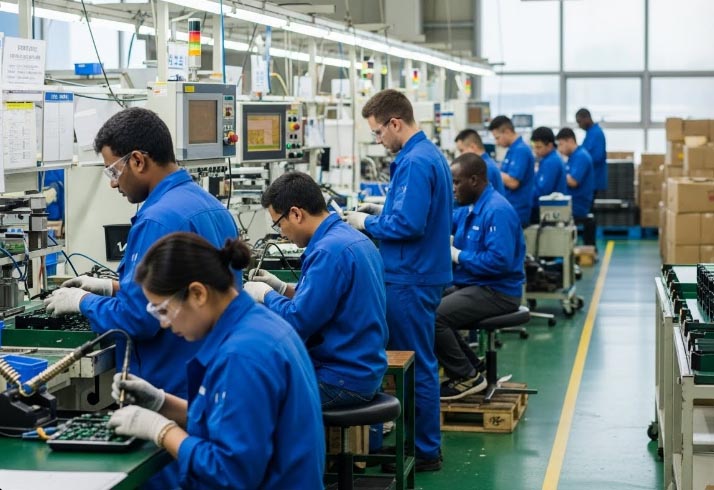
Work hours are usually fixed, breaks are short and scheduled, and punctuality is taken very seriously. Being late or skipping work without notice can quickly cause problems.
If you value structure and routine, this environment can feel stable. If you prefer flexibility, it may feel stressful.
Physical Work Is the Norm
Most factory jobs involve standing for long hours, repetitive tasks, or lifting.
Even if the job description sounds simple, the physical demand can be higher than expected. This is especially important for foreigners who are not used to this type of work.
Mental preparation is just as important as physical strength.
Language Skills Are Helpful but Not Always Required
Basic Korean is a big advantage, but not always mandatory.
Many factories hire foreigners with minimal Korean, especially through agencies. However, knowing simple work related phrases can make daily life much easier and help avoid misunderstandings.
Limited communication can sometimes lead to frustration, so effort matters.
Visa Type Is Extremely Important
You cannot work legally in a Korean factory on a tourist visa.
Most factory workers hold specific work visas such as E9 or H2. Some factories only hire through official government programs or approved agencies.
Working without the correct visa can lead to serious legal trouble, including fines or deportation.
Agencies Play a Major Role
Many foreigners are hired through recruitment agencies.
Agencies help with job placement, paperwork, and housing, but quality varies widely. Some are supportive, while others offer minimal help after placement.
Always read contracts carefully and ask clear questions before agreeing.
Housing Is Often Basic
Factory housing is usually simple and functional.
Shared rooms, factory dormitories, or small studios are common. Privacy and comfort levels may be lower than what some foreigners expect.
Understanding housing conditions beforehand helps prevent disappointment.
Workplace Culture Can Feel Hierarchical
Korean factory culture tends to be hierarchical.
Supervisors expect respect, and instructions are rarely questioned openly. This does not mean abuse is acceptable, but communication is often one directional.
Learning when to speak up and when to stay quiet is part of adapting.
Overtime Is Common
Overtime work is frequent in many factories, especially during busy seasons.
While overtime pay is usually provided, long hours can be physically exhausting. Some workers appreciate the extra income, others struggle with fatigue.
Ask clearly about overtime expectations before starting.
Cultural Adjustment Takes Time
Foreigners often experience culture shock during the first few months.
Differences in communication style, food, work pace, and social expectations can feel overwhelming at first. Most people adjust with time, but patience is essential.
Support from coworkers or fellow foreigners helps greatly.
Factory Work Can Be a Stepping Stone
For some foreigners, factory work is not a long term goal.
It can be a way to earn money, gain experience in Korea, or transition to other opportunities later. Understanding your personal goal helps you decide if factory work fits your plan.
Final Thoughts from a Korean Local
Applying to Korean factories is not just about getting a job. It is about understanding the lifestyle that comes with it.
If you are prepared, legally eligible, and realistic about expectations, factory work in Korea can be stable and rewarding. Going in uninformed, however, often leads to frustration.
Preparation makes all the difference.
How Strict Is Korean Workplace Culture in Factories? What Foreign Workers Should Expect