
What I Learned After 5 Years of Living in Korea: A Local Perspective
When people hear that someone has lived in Korea for five years, they often assume that person has everything figured out. The truth is more complicated. Five years doesn’t mean you stop being surprised by Korea. It means you start understanding why things work the way they do.
As a Korean local who has spent years listening to foreigners settle in, struggle, adapt, and grow here, I’ve noticed that long-term residents tend to learn the same lessons — not from textbooks or dramas, but from daily life. These are the insights that only time can teach.
Korea Is Fast, But Not Always Flexible
One of the first things long-term residents notice is how fast Korea moves. Services are efficient, technology is advanced, and systems are optimized for speed. But speed doesn’t always mean flexibility.
After several years, many foreigners realize that Korea works best when you follow the system rather than fight it. Whether it’s paperwork, banking, or healthcare, learning how things are done saves more energy than trying to change them.
Language Is Power, Not Just a Skill
In the beginning, English feels like enough. After five years, most people understand that Korean language ability changes how you are treated, not just what you understand.
Even basic Korean opens doors. It builds trust, softens misunderstandings, and signals respect. Fluency isn’t required, but effort is noticed — and often rewarded.
Social Relationships Take Time, But They Run Deep
Making friends in Korea can feel difficult at first. Social circles are often formed early in life, and casual friendships don’t always develop quickly.
What many people learn over time is that once a relationship forms, it tends to be loyal and long-lasting. Koreans may not open up immediately, but when they do, they show up consistently.
Work Culture Shapes Identity More Than Expected
Living in Korea long term often changes how people view work. Hierarchy, group harmony, and endurance are deeply embedded values.
Some foreigners grow frustrated. Others adapt selectively. After five years, most learn to separate personal worth from workplace structure, choosing which cultural norms to accept and which to emotionally distance from.
Privacy Exists, But It Looks Different
In Korea, privacy isn’t always about physical space — it’s about emotional boundaries. People may ask personal questions early on, but rarely with harmful intent.
Long-term residents learn that curiosity often replaces judgment. Understanding this difference prevents unnecessary resentment and helps interactions feel lighter.
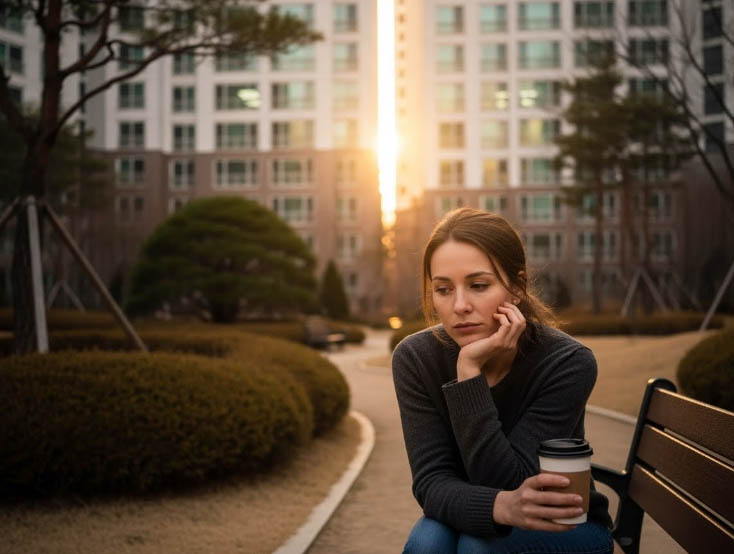
Loneliness Comes in Waves
Even after years, loneliness can resurface unexpectedly. It’s not always about language or culture — sometimes it’s about being far from shared memories.
What five years teaches is that loneliness isn’t a failure. It’s part of living between cultures. Building routines, community, and personal rituals helps anchor life here.
Belonging Doesn’t Mean Becoming Korean
One of the most important lessons long-term residents learn is that belonging doesn’t require full assimilation.
You don’t need to erase your identity to live well in Korea. Many people find peace when they stop trying to “be Korean” and instead focus on being comfortable in Korea.
Daily Life Becomes the Real Teacher
After five years, the lessons don’t come from big moments. They come from small ones.
Understanding unspoken rules. Reading the room. Knowing when silence matters more than words. These skills develop slowly, but they shape how life feels every day.
Perspective Is the Greatest Gift
Living in Korea long term changes how people see the world — and themselves. Assumptions soften. Patience grows. Certainty fades, replaced by curiosity.
Five years doesn’t make Korea simple. It makes it human.
Final Thoughts from a Local Point of View
From the Korean side, long-term foreigners are no longer visitors. They become part of the community — even if quietly.
If you’ve lived here for years, or hope to one day, know that growth often feels invisible while it’s happening. Only later do you realize how much you’ve changed.
And that might be the most meaningful lesson of all.
What Is the Biggest Culture Shock for Foreign Men Dating Korean Women?