
What Is the Korean Drinking Culture Really Like?
A Korean Local’s Honest and Practical Guide
If you’ve spent any time in Korea or talked to foreigners who have, you’ve probably heard stories about long nights, shared soju bottles, and lively dinner tables. Korean drinking culture is famous — or infamous — depending on who you ask. But what’s it really like beyond the clichés?
As a Korean woman living here and interacting with both locals and foreign friends, I’m here to explain what Korean drinking culture looks like in real life, how it fits into social and work life, and what you might experience if you live here.
Drinking Is Social — Not Just Recreational
Korean drinking culture isn’t primarily about getting drunk. It’s about:
- Social bonding
- Relaxing after work
- Showing respect and camaraderie
Drinking often follows group activities, whether it’s after work, after school, or after a social event. So it’s less about the alcohol itself and more about connection.
Work Culture: “Hoesik” Nights Out
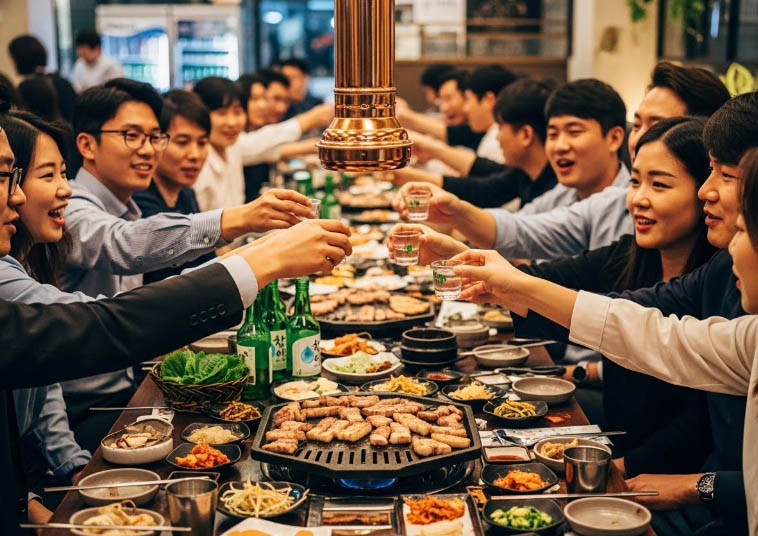
One of the most talked-about aspects of Korean drinking culture is hoesik (회식) — the company dinner and drinking session.
What to Expect:
- Teams go out after work
- Dinner is followed by rounds of drinks
- Seniors and juniors drink together
- Toasts and group drinking rituals
For many Koreans, this is how work teams build trust and rapport. For foreigners, it can feel intense at first — especially in more traditional companies — but it’s also an opportunity to understand colleagues outside the office.
Soju and Beer: The Classics
If you want to blend in, you’ll see two drinks most often:
- Soju — clear, smooth liquor that’s easy to drink
- Beer (maekju) — often drunk alongside soju
A common Korean way to drink both is called “so-maek” — a mix of soju and beer. It’s a collaboration, much like the culture itself — easygoing, shared, and communal.
Toasting Rules and Etiquette
There are a few drinking etiquettes that matter in Korea:
When Someone Offers a Drink
- Hold the glass with both hands if the person is older
- Turn your head slightly away when drinking
- Never pour your own drink — pour for others first
These are not strict rules, but gestures of respect and politeness that many Koreans appreciate.
What Happens After Dinner
Korean nights often continue with:
- Second round (2nd place) — another restaurant or bar
- Noraebang (karaoke) — sing your heart out
- Late-night snack places — like fried chicken and beer joints
The night can go on for hours, and moderation is cultural — people stay out late to enjoy company and conversation long after the first round.
Drinking With Friends vs. Drinking With Colleagues
There’s a difference.
Friends
Relaxed, less formal, more about laughter, catching up, and personal stories.
Colleagues
More structured and often tied to hierarchy and group harmony. Older colleagues may guide the rhythm, and juniors often follow (respectfully) in toasts and drinking order.
Understanding this subtle difference matters for foreigners trying to navigate both worlds.
Gender and Drinking Culture
Korean drinking culture has changed a lot over the years. Traditionally, men dominated the drinking scene, especially in work settings. But this is changing:
- Young women drink casually with friends
- Mixed-gender gatherings are common
- Clubs and bars welcome everyone
Younger generations in Korea drink more as equals, and the old stereotypes of rigid gender roles in drinking are fading.
Why Koreans Drink So Often
Drinking in Korea often functions as:
- Stress relief
- Social lubricant
- Team or family bonding time
Unlike some cultures where bars are separate social spheres, Koreans often move from dinner to drinks seamlessly. It’s about prolonging connection, not escaping reality.
Health and Responsible Drinking
While Koreans enjoy drinking, there’s growing awareness about health and moderation. Many people:
- Choose low-alcohol options
- Take restroom breaks to pace themselves
- Drink water between rounds
Korean society has also become more conscious of responsible drinking, especially among younger people who prioritize fitness and balance.
Drinking and Expat Life: Tips for Foreign Residents
For expats who want to navigate drinking culture smoothly:
Respect Local Etiquette
You don’t need perfect Korean, but gestures like offering to pour for someone older go a long way.
Know Your Limits
Korean drinking sessions can be long. It’s okay to pace yourself or say “one more round” in your terms.
Join Social Events
Drinking events are social opportunities — not obligations. Choose what you attend based on comfort and schedule.
Use Translation Tools
If you’re unsure about toasts or instructions, translation apps help bridge the gap without awkwardness.
Drinking Without Alcohol
Not everyone drinks alcohol, and options are plentiful:
- Non-alcoholic beer
- Soju alternatives
- Tea and coffee culture
Modern Korea accommodates diverse lifestyles, and you’ll often find mixed groups where not everyone drinks.
Final Thoughts from a Korean Local
Korean drinking culture is far richer than a series of shots and shared bottles. It’s:
- A form of connection
- An expression of respect
- A way to unwind together
- A place where laughter, stories, and bonds are strengthened
When you understand the purpose behind the rituals, the culture becomes not intimidating, but inviting. You learn that what matters most is the people you share the drink with, not the drink itself.