
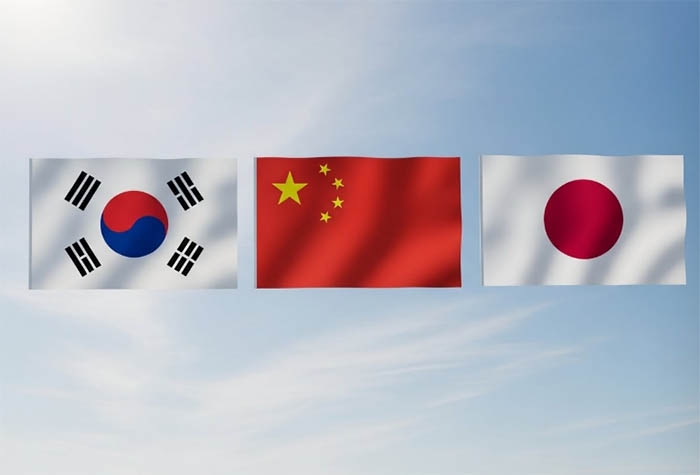
What Makes Korean Men Different From Japanese or Chinese Men?
A Cultural View from Korea
Foreigners who spend time in East Asia often realize something quickly. While Korean, Japanese, and Chinese men are sometimes grouped together from the outside, they feel very different once you actually interact with them.
As a Korean woman living in Korea, I hear this question often from international friends, readers, and expats. What exactly makes Korean men different from Japanese or Chinese men? Is it dating style, communication, family values, or something else entirely?
The honest answer is that it is a mix of history, social expectations, and emotional expression. Let me explain this from a Korean perspective, without stereotypes and without romanticizing.
Korean Men Tend to Be More Emotionally Expressive
One of the biggest differences foreigners notice is emotional expression.
Korean men are generally more comfortable showing emotions compared to Japanese men. They may openly express affection, frustration, jealousy, or care. This does not mean every Korean man is emotionally open, but culturally, emotional expression is more accepted.
In contrast, Japanese culture strongly values emotional restraint. Many Japanese men are taught to keep feelings private and avoid burdening others emotionally. Chinese men often fall somewhere in between, depending on region and generation.
This emotional visibility is one reason Korean relationships can feel intense, both positively and negatively.
Communication Style Is Direct but Contextual
Korean men tend to communicate more directly than Japanese men, but still rely heavily on context.
Japanese communication often avoids direct confrontation. Silence, implication, and reading the atmosphere are extremely important. Korean men, on the other hand, are more likely to talk things out, especially in close relationships.
Chinese men may communicate directly in practical matters but can be reserved emotionally, particularly when it comes to vulnerability.
For foreigners, Korean communication can feel refreshingly honest or emotionally overwhelming, depending on expectations.
Dating Culture Is Faster and More Defined
Dating culture is one area where Korean men clearly stand out.
In Korea, relationships often move quickly from casual interest to defined dating. Clear labels matter. Are we dating or not? Ambiguity is uncomfortable for many Korean men.
Japanese dating culture tends to move slower, with more indirect signals. Chinese dating culture varies widely but often includes strong practical considerations such as financial stability early on.
Korean men often invest heavily in the early stages of dating, both emotionally and materially.
Appearance and Self-Care Are Socially Accepted
Korean men generally place more emphasis on appearance and grooming.
Skincare, fashion, and fitness are socially acceptable and even encouraged. This is not seen as unmasculine in Korea. Instead, it is associated with self-respect and social competence.
Japanese men may dress neatly but often in understated ways. Chinese men’s attitudes toward grooming vary widely by city and age.
This cultural acceptance of self-care makes Korean men stand out visually to many foreigners.
Work Culture Shapes Personality
Korea’s intense work culture plays a major role in shaping men’s behavior.
Long hours, hierarchical workplaces, and pressure to succeed create men who are driven, competitive, and sometimes emotionally exhausted. This can lead to strong ambition but also burnout.
Japanese work culture is also intense but emphasizes loyalty and endurance. Chinese work culture is fast-paced and entrepreneurial, especially in urban areas.
Korean men often carry visible stress but also a strong desire to provide and succeed.
Family Expectations Are Strong but Changing
Family plays an important role in all three cultures, but the dynamics differ.
Korean men often feel strong responsibility toward parents, especially as eldest sons. However, younger generations are actively negotiating these expectations.
Japanese men may experience less daily family involvement after adulthood. Chinese men often face intense family pressure related to marriage, career, and status.
In Korea, family expectations still influence dating and marriage decisions, but there is growing tension between tradition and personal choice.
Conflict Can Be Emotional, Not Avoided
Another noticeable difference is how conflict is handled.
Korean men are more likely to argue openly, especially in close relationships. Emotions can surface quickly. This can feel dramatic, but it also means issues are addressed rather than buried.
Japanese men often avoid open conflict to maintain harmony. Chinese men may address conflict strategically, depending on social hierarchy.
For foreigners, Korean emotional conflict can feel intense but also honest.
So, What Truly Makes Korean Men Different?
Korean men are shaped by a culture that allows emotional expression, values defined relationships, accepts self-care, and demands resilience in work and family life.
They are not better or worse than Japanese or Chinese men. They are simply different in how emotions, responsibility, and connection are expressed.
From a Korean perspective, understanding these differences is not about comparison. It is about recognizing how culture quietly shapes behavior in everyday life.
Once you see that, the differences make sense.