
What Makes It Stand Out From Other Asian Metropolises
You’ve visited Tokyo, you’ve experienced Shanghai, and you’ve navigated Bangkok. Now you’re looking at Seoul, wondering: is it just another enormous, fast-paced Asian capital?
The answer is a definitive No. Seoul shares the energy and density of its neighbors, but it operates on a unique set of principles—a fusion of hyper-efficiency, deep-rooted historical context, and an intangible cultural intensity that makes it unlike any other city on the continent.
As a local, I’m here to give you the insider’s analysis of what truly makes Seoul different, why visitors feel its distinct energy, and why it’s a global city in a league of its own.
1. The Efficiency and Safety Blueprint
While other cities are big, Seoul is uniquely frictionless and secure.
Integrated Tech Infrastructure: Seoul’s public transport (subway, bus, Kakao T taxi) is not just large; it’s digitally integrated and lightning-fast. The seamless use of the T-Money card and ubiquitous, high-speed Wi-Fi means navigation is almost effortless. In contrast, other major Asian cities often rely on separate, more complex ticketing or cash systems.
The Safety Factor: Seoul’s low crime rate and high social trust are remarkable for a city of its size. You won’t find the same level of safety and security in public spaces late at night in many other dense Asian capitals. This contributes to a stress-free travel experience.
2. History is Not Buried—It’s Blended
Seoul respects its ancient roots while rocketing into the future.
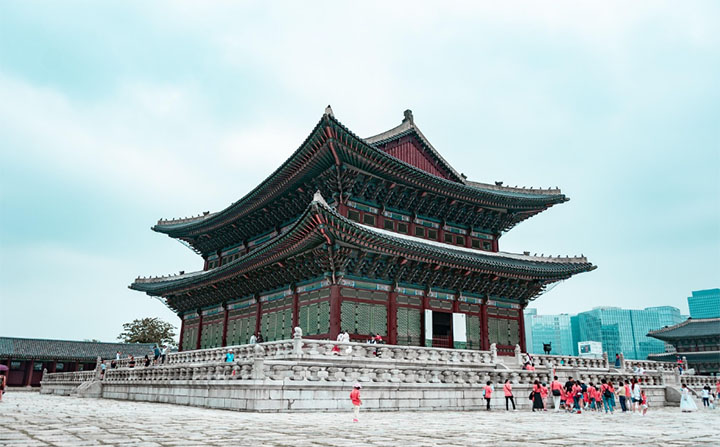
The Contrast: Unlike cities that completely bulldozed the past for modernization, Seoul keeps its 600-year history visible. You can walk from the ultra-modern luxury department stores of Myeongdong and be at the 14th-century Gyeongbokgung Palace in minutes. The preserved Hanok villages (Bukchon, Seochon) sit directly next to modern skyscrapers.
The Vibe: This creates a unique aesthetic tension—a sense that history and technology are constantly interacting, not ignoring each other.
3. The Culture of Relentless Drive and Intensity
Seoul’s energy is distinct—it’s driven by a national focus on excellence and achievement.
The 24/7 Professionalism: The city operates with an intensity rooted in Gong-bu (study/effort) and Yageun (overtime culture). This professional rigor fuels its innovative spirit (tech, design, K-Beauty) and keeps the pace of life high.
Aesthetic Standardization: The visual focus is everywhere. The K-Beauty, K-Fashion, and K-Pop industries create a high aesthetic standard that is visibly maintained by the populace, adding to the city’s sleek, polished appearance.
4. Cultural Export Powerhouse
Seoul doesn’t just host culture; it produces and exports global trends.
The Hallyu Engine: Seoul is the singular headquarters for global K-Pop, K-Drama, and K-Beauty production. This centralized cultural engine gives the city a unique, palpable buzz—you are literally standing at the epicenter of the global K-Wave, influencing fashion and entertainment worldwide.
Accessibility: The culture is highly accessible. You can easily find dance studios, K-Pop idol cafes, and filming locations, making the city a pilgrimage site for fans globally.
Seoul is a high-speed hybrid: it offers the deep historical immersion of ancient capitals, the hyper-modern technology of a future city, and a uniquely dynamic cultural energy. It’s an unforgettable blend.