
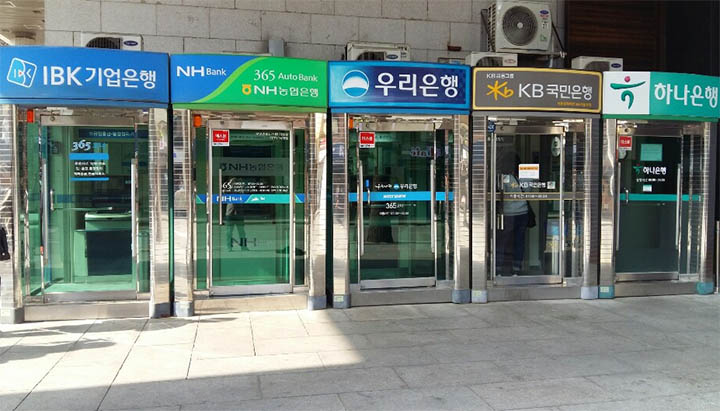
Which Korean Banks Are Most Foreigner-Friendly? A Local’s Guide
Opening a bank account is one of the first practical steps anyone takes after arriving in Korea. It’s how you get paid, pay rent, set up automatic bill payments, use Korean payment apps, and even register for services that require identity verification.
But here’s the catch: not all Korean banks speak your language or handle foreigner accounts the same way. From my experience — living here and helping so many foreigners settle in — some banks make the whole process much easier than others.
Below is a breakdown of the most foreigner-friendly banks in Korea and what makes each one stand out in real life.
What “Foreigner-Friendly” Really Means
Before we jump into specific banks, let’s define what makes a bank foreigner-friendly in Korea:
- English-speaking services
- Easy account opening with ARC (Alien Registration Card)
- Online and mobile banking in English
- Support for foreigner debit and credit cards
- International remittances with transparent fees
- Staff experienced with non-Korean residents
If a bank meets most of these criteria, it makes life much smoother for expats.
KB Kookmin Bank: The Most Widely Recognized Choice
KB Kookmin Bank is often the first name foreigners hear when they arrive in Korea, and for good reason.
What makes it foreigner-friendly:
- English services are widely available at major branches
- English versions of ATMs and online banking
- Easy account opening with standard expat documentation
- Good international remittance support
Many expats choose KB first simply because it’s easy to find English help in larger branches in Seoul, Busan, and other big cities. If you arrive and aren’t sure where to start, KB is a safe choice.
Shinhan Bank: Strong Mobile Banking and Expat Support
Shinhan Bank is another popular choice for foreigners.
Strengths include:
- English–Korean mobile app with good usability
- Friendly staff at major branches who deal with expat accounts regularly
- A smoother path to issuing debit cards after account setup
- Better notification features for international transactions
From a local perspective, Shinhan often strikes a balance between accessibility and modern digital features.
Hana Bank: Best for Travelers and Remittances
Hana Bank gets high marks among foreigners who need efficient international money services.
Why many expats like Hana:
- User-friendly remittance system with clear fee breakdowns
- Good supported networks with Western Union and other partners
- English services available at tourist-heavy branches
- Often helpful for setting up international transfers for tuition or payroll
For students and workers who send money abroad regularly, Hana’s system can be especially convenient.
Woori Bank: Personal Service at Major Branches
Woori Bank can be another good option, especially if you value in-person customer service.
What stands out here:
- English-friendly staff at larger branch locations
- Decent online banking support in English
- Reliable debit card issuance after account setup
Woori isn’t quite as universally foreigner-focused as KB or Shinhan, but at major city branches, representatives are quite experienced with expat needs.
Korea Development Bank (KDB) and Industrial Bank of Korea (IBK)
These banks are generally more oriented toward business and corporate services than everyday retail banking. They do offer personal accounts, but from a foreigner’s perspective, they are not typically the first choice unless:
- You have a corporate sponsorship
- You are opening business accounts
- You need specific financial products
For day-to-day banking, the retail banks above are usually easier.
How to Know Which Bank Is Best for You
1. Location Matters
In Seoul or Busan, almost every major bank branch can speak English or has staff who can help. In smaller cities, language support may be limited, so choose a bank with a strong branch nearby.
2. Online App Experience
If you plan to handle most things on your phone, test the bank’s app in English. Some banks have more polished English interfaces than others.
3. Remittance Needs
If you send money overseas often — for family support, tuition, or business — prioritize banks with clear international transfer systems. Fees and exchange margins vary dramatically.
4. Debit vs Credit
Getting a debit card is easy once your account is open. Getting a credit card takes longer and depends on income, visa type, and banking history. Some banks are more flexible with newcomers than others, but you typically need a few months of banking activity first.
Common Mistakes Foreigners Make
From a local’s perspective, these are the most frequent errors expats make when opening a Korean bank account:
- Choosing a bank only because it’s the first one they see
- Not knowing the branch services available in English
- Trying to open an account without a Korean phone number
- Not registering their address before applying
- Assuming foreign cards work everywhere (they don’t)
Understanding the system first saves time and stress.
Tips for Smooth Account Opening
Here are a few practical pointers:
- Bring your passport and ARC
- Have a Korean address and mobile number ready
- Visit larger branches in busy areas for better English support
- Ask specifically for English services or a staff member who speaks English
- If possible, make an appointment many branches offer walk-in help, but appointments improve accuracy
Locals usually tell newcomers that showing up prepared makes the whole process feel much less intimidating.
Final Thoughts from a Korean Local
There’s no single “best bank” for every foreigner it depends on your lifestyle, income situation, and banking needs. But if you start with a bank that offers English support, easy online access, and good remittance options, you’re already ahead of many newcomers.
Once you open your first Korean bank account and get your debit card working with local services, living in Korea starts to feel significantly more manageable. That’s when you truly begin the daily flow of life here.