
Which Korean University Is Best for K-pop and Arts?
If you’re dreaming of studying K-pop, music, performance, or arts in Korea, you’re not alone. Seoul and other Korean cities are cultural magnets for young creatives around the world. But when it comes to choosing the best university for K-pop and arts, the question isn’t just about rankings — it’s about training, industry connections, and the kind of creative environment that actually helps you grow as an artist.
From a local perspective, certain Korean universities stand out not just for their reputation, but for how deeply they’re connected to Korea’s entertainment and arts industries. Let’s break down the top options, what makes them special, and how you can figure out which one might fit your goals.
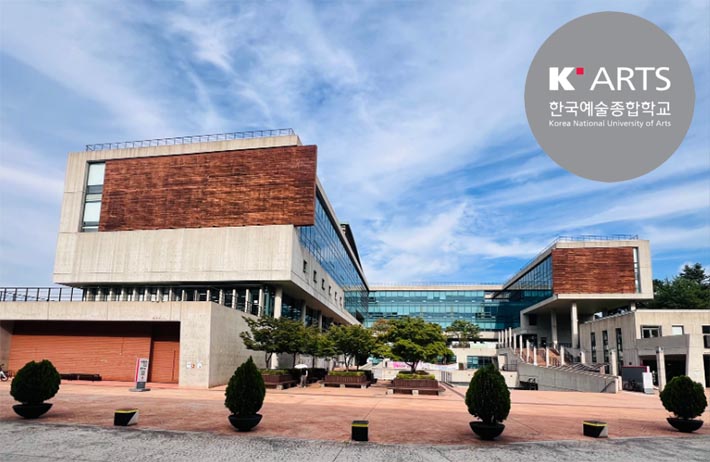
1. Korea National University of Arts (K’Arts) – The Heart of Creative Excellence
When Koreans talk about arts education, Korea National University of Arts (K’Arts) is usually the first name mentioned — and for good reason. It was established with the specific purpose of training artists at the highest level.
What sets K’Arts apart:
- Focused programs in music, drama, dance, visual arts, film, and traditional Korean arts
- Highly selective auditions and portfolio requirements
- Strong emphasis on professional preparation and performance experience
K’Arts doesn’t offer a “K-pop major” in the commercial sense, but its programs in music performance, musical theater, composition, and contemporary dance are deeply respected. Many students go on to careers in performance, composition, and choreography — often bringing K-pop sensibilities into the broader world of entertainment.
For someone whose dream is artistry — creative development, stage presence, dance technique, vocal training beyond pop formula — K’Arts is a gold standard in Korea.
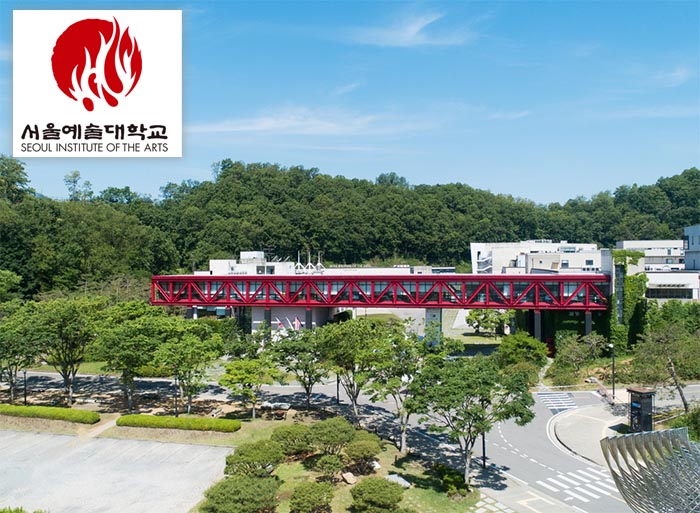
2. Seoul Institute of the Arts – A Creative Incubator
Another heavyweight in Korea’s creative landscape is the Seoul Institute of the Arts. It’s more flexible than some programs and highly respected for fostering imaginative, expressive artists.
What Seoul Institute of the Arts offers:
- Comprehensive arts education (music, acting, media, film, stage design)
- A culture of experimentation and individuality
- Strong alumni network in Korea’s entertainment and creative industries
This school nurtures creative diversity. If you want an environment where you can blend performance with writing, directing, or interdisciplinary arts, this is a great place. Students often collaborate across departments, which mirrors real entertainment industry practices.
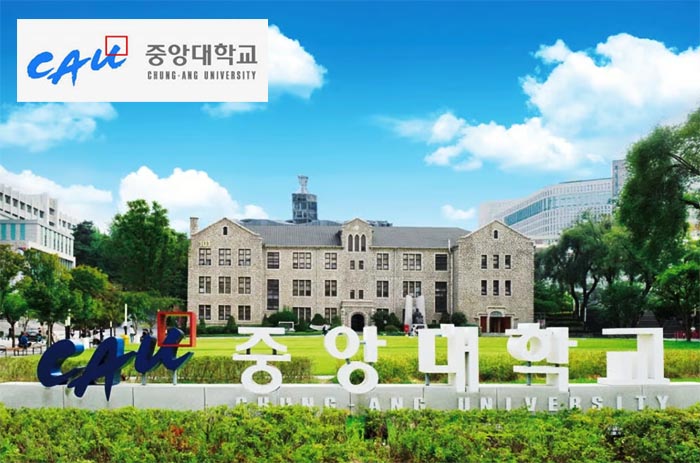
3. Chung-Ang University – Balanced Arts and Industry Connectivity
Chung-Ang University (CAU) has one of the stronger performing arts and film programs in Korea. It might not be “K-pop factory” territory, but it’s known for equipping students with both artistic skill and industry awareness.
Key strengths:
- Programs in theater, film, music, and performance studies
- Good industry exposure through internships and collaborations
- A reputation for producing successful actors, directors, and performers
Many K-pop entertainers have backgrounds in speech, drama, or music studies rather than strictly “idol training.” For students who want a deep arts foundation with practical industry insight, Chung-Ang is a solid pick.
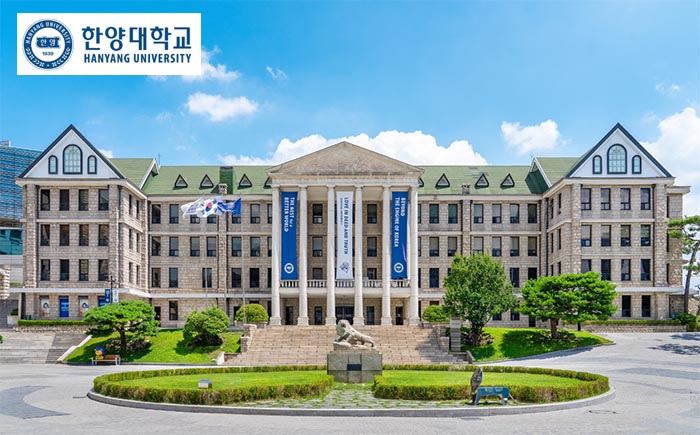
4. Hanyang University – Music and Entertainment Focus
Hanyang University’s music and arts departments are also well respected, especially for students interested in composition, performance, and music technology.
Why Hanyang stands out:
- Strong emphasis on technical proficiency and music theory
- Programs in vocal performance, musical composition, and media arts
- Access to performance opportunities and industry linkages
For creative students who want both artistic training and structured academic grounding, Hanyang strikes a good balance.
5. Hanlim and Other Specialized Schools (Practical Entry Points)
While not traditional universities, specialized arts high schools and vocational programs (like Hanlim Arts School and SOPA) are closely tied to the K-pop pipeline. Some students pursue these before or instead of university — especially if they want early industry exposure. These institutions aren’t universities, but they’re worth mentioning because they often lead directly into trainee programs.
So What About “K-pop Degrees”?
Here’s a key distinction:
Korea doesn’t have a single nationwide “K-pop major” defined like you might find in Western universities. Instead, universities with strong music, performance, media, and dance programs are where future performers sometimes begin.
If your goal is to be an active performer — singer, dancer, composer, producer — consider this pathway:
Train in technical skills (music theory, vocal technique, dance)
Build performance experience (student productions, competitions)
Network with industry professionals (workshops, internships, festivals)
Consider supplementary private training (vocal coaches, choreography schools)
Some universities offer industry-linked programs or partnerships with entertainment companies, and in recent years, more graduate programs have included cultural and media studies related to contemporary entertainment.
Industry Connections and Real-World Experience
One of the biggest advantages of studying arts in Korea is proximity to the entertainment ecosystem. Students often:
- Perform in showcases attended by industry professionals
- Participate in internships or apprenticeships
- Collaborate on projects with media companies
Schools like K’Arts and Seoul Institute of the Arts have alumni working across music, film, and media — and many return to the campus to mentor new students.
Campus Culture: Community and Competition
From a local standpoint, arts programs in Korea tend to be tight communities. You’ll find:
- Collaborative projects
- Peer feedback cultures
- Workshops with visiting artists
Yes, some competition exists — but most programs emphasize growth through community and creative exchange.
If you want support and challenge in equal parts, Korea’s arts universities tend to deliver.
Choosing the Right Fit for You
To decide which school fits your goals, ask yourself:
Are you focused on artistry and creative development? (K’Arts, Seoul Institute of the Arts)
Do you want a broader academic experience with industry connectivity? (Chung-Ang, Hanyang)
Is performance experience and networking critical to you? (All of the above, in different ways)
Every university has a slightly different flavor — and that’s what makes Korea an exciting place to study arts.
Final Thought: Korea as a Creative Crossroads
Studying K-pop-adjacent arts in Korea isn’t just about technique. It’s about living in the culture that created K-pop, feeds its creativity, and continues to export it worldwide.
If you choose a school that matches your artistic identity and work style, you aren’t just learning — you’re joining a community where music, performance, and art are part of everyday life.
And that’s something special.