
Why Are Korean Actors So Good at Crying Scenes?
A Cultural Explanation from Korea
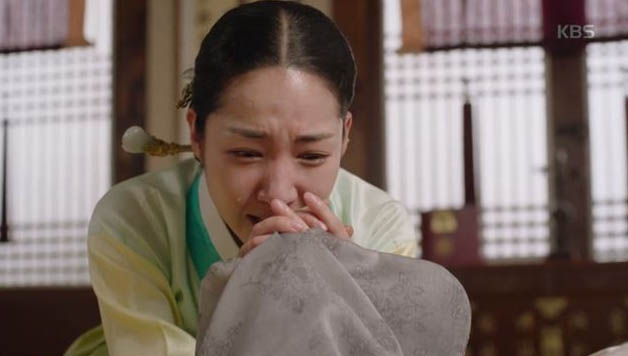
If you have watched even a few K-dramas, you have probably noticed something striking. When Korean actors cry, it feels real. Not pretty. Not staged. Real enough to make viewers cry with them, even when they do not fully understand the language.
Foreign viewers often ask me this question with genuine surprise: why are Korean actors so good at crying scenes?
As a Korean woman who grew up watching these dramas long before they went global, I can say this is not an accident. It is a mix of culture, training, storytelling tradition, and how emotions are handled in Korean society.
Let me explain it from the inside.
Crying Is Not Treated as Weak Acting in Korea
In many Western productions, crying can sometimes feel restrained or minimal. In Korea, emotional expression is not automatically seen as overacting.
Korean storytelling values emotional honesty over subtle coolness. If a character is devastated, they are expected to look devastated. Tears are not decorative. They are part of emotional truth.
Actors are encouraged to fully enter the emotional state rather than perform it safely.
Korean Stories Are Built Around Emotional Climax
K-dramas are written to reach emotional peaks. Family separation, unspoken love, sacrifice, regret, and loss are recurring themes deeply rooted in Korean history and society.
Crying scenes are not random. They are carefully placed moments where emotional tension finally releases. When actors cry, viewers already understand why, which makes the scene feel earned rather than exaggerated.
This narrative buildup makes tears feel inevitable.
Actors Are Trained to Access Emotion, Not Fake It
Many Korean actors come from theater backgrounds or formal acting schools. Training focuses heavily on emotional immersion.
Actors are taught to connect personal memory, imagination, and physical response. Instead of imitating sadness, they relive it internally. This approach creates tears that look uncontrolled, uneven, and human.
Perfect tears are not the goal. Emotional believability is.
Korean Culture Encourages Emotional Restraint Until It Breaks
Here is something foreigners often miss.
In everyday Korean life, people tend to suppress emotions in public. Being composed, polite, and considerate is valued. Strong emotions are often held back rather than expressed openly.
This makes emotional release especially powerful when it finally happens. K-dramas mirror this pattern. Characters endure quietly for a long time, then break down completely.
When actors cry, it reflects something deeply familiar to Korean audiences.
Crying Is a Shared Emotional Language
In Korea, crying on screen is not just about the character. It is an invitation to the audience to feel together.
Viewers are not expected to judge the character. They are expected to empathize. This shared emotional experience is part of why K-dramas feel so immersive.
From a Korean perspective, crying scenes are about connection, not performance.
Camera Work Supports Emotional Acting
Korean dramas often use close-up shots during emotional scenes. The camera does not cut away quickly. It stays.
This means actors cannot hide behind editing. Tears, breathing, silence, trembling lips, all of it is visible. This forces a level of emotional commitment that would feel uncomfortable if it were not genuine.
When you see an actor cry without background music or dialogue, you are seeing raw acting.
Actors Are Not Afraid of Looking Ugly
One reason Korean actors stand out is their willingness to look emotionally unpolished.
They cry with red faces, messy expressions, shaky voices, and uncontrolled breathing. This is not accidental. Looking “attractive” during emotional collapse is not prioritized.
This lack of vanity makes scenes feel painfully real.
Audience Expectations Push Actors Further
Korean viewers are emotionally demanding. They expect to feel something.
If a crying scene feels shallow, audiences notice immediately. This cultural expectation pushes actors to deliver emotionally convincing performances, especially in major scenes.
Over time, this creates a very high standard for emotional acting.
So, Why Are Korean Actors So Good at Crying?
Because crying in Korean dramas is not a technique. It is storytelling, culture, and emotional philosophy combined.
Actors are trained to feel before they perform. Stories are built to justify emotional release. Audiences are ready to cry with them.
From a Korean point of view, these scenes are not dramatic extras. They are the heart of the story.
Once you understand this, Korean crying scenes stop feeling surprising. They start feeling necessary.