
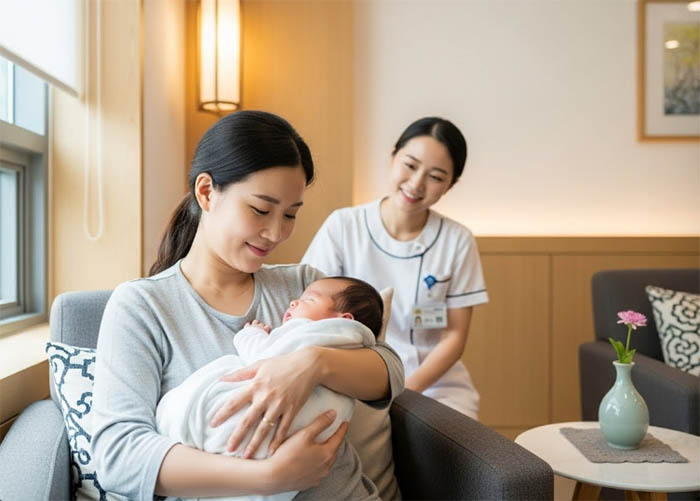
Why Foreign Women Admired Korean Postpartum Care Centers After Experiencing Them
If you’re pregnant, planning a family, or simply curious about how different cultures support new mothers, you’ve probably heard about Korean postpartum care centers — known locally as sanhujoriwon. Many foreign women who have lived in Korea during childbirth come away with the same conclusion: these centers are unlike anything they expected. They talk about genuine rest, structured care, emotional support, and a level of attention that feels almost luxuriously holistic.
But what exactly makes these centers so admired? And why do so many foreign mothers speak about them with genuine affection? As a Korean woman who has seen this system through friends, neighbors, and my own social circles, I’ll walk you through what foreign women experience and why they often feel profoundly cared for here.
What Korean Postpartum Care Centers Are
First, let’s clarify what we’re talking about. In Korea, it’s common for women to spend their first weeks after childbirth — typically two to four weeks — in a dedicated postpartum care center rather than at home. These facilities are designed to help new mothers recover physically, establish breastfeeding routines, and get emotional support during a time that many cultures treat as a rushed, unstructured period.
For many foreign women, this idea itself — structured support after giving birth — feels revolutionary.
A Culture That Treats Postpartum Recovery as Important
In many cultures, new mothers are expected to return almost immediately to daily routines, or they rely solely on family help. In Korea, however, postpartum recovery is seen as critical healthcare, not optional rest. This cultural emphasis reflects a broader idea: childbirth is a major physical event that deserves time, care, and resources.
Foreign mothers often tell me they felt seen and validated here — that their recovery mattered on its own terms.
Physical Care That Feels Like Healing, Not Babysitting
One thing nearly every foreign mother mentions is the level of physical care she received. Postpartum care centers don’t just watch over you while you nap. They offer:
Daily rest schedules designed for recovery
Nutritionally balanced meals created to promote healing and milk production
Help with bathing, mobility, and pain recovery
Professional guidance on breastfeeding, sleep, and physical changes
For women exhausted from labor and overwhelmed by hormonal shifts, this hands-on, comprehensive support is a revelation.
Guidance That Reduces Anxiety and Builds Confidence
Parenting for the first time can feel like stepping into a fog. Many foreign women say they came to Korea confident in their medical care but unsure about the practical realities of caring for a newborn. Postpartum care centers usually include:
- Breastfeeding support with trained staff
- Newborn care coaching — bathing, diapering, soothing
- Personalized questions answered in real time
- Emotional encouragement that normalizes confusion and fatigue
This blend of practical help and emotional guidance feels very empowering. It’s not just “someone watching the baby” — it’s education and reassurance embedded in everyday life.
Rest You Simply Can’t Get at Home
Another common theme: foreign women consistently say they felt the value of real rest for the first time in months. Instead of:
Sleeping on uncomfortable couches
Waking up to family or chores
Trying to juggle minor responsibilities with a newborn
Mothers here find a rhythm where their primary “job” is recovery and bonding with their baby. No dishes, no laundry, no rushing — just structured rest. This shift in expectations alone often becomes one of the most memorable parts of their childbirth experience.
Community and Shared Understanding
Most postpartum care centers in Korea host several mothers at once, often at similar stages of recovery. This creates a quiet community atmosphere. Even mothers who don’t speak perfect Korean find comfort in:
- Shared meals
- Parallel routines
- Staff who recognize when you need support
- Other women nearby going through the same experience
It’s not forced socializing, but a shared experience — and for many foreign women who might otherwise feel isolated, this communal structure is emotionally grounding.
A Blend of Tradition and Modern Medicine
Korean postpartum care is interesting because it blends centuries-old traditions with modern healthcare principles. For example:
- Warm herbal meals designed for recovery
- Structured rest periods based on traditional ideas of energy rebuilding
- Medical checkups built into the care routine
For foreign women with a background in Western medicine, this mix feels both familiar and refreshingly holistic.
Why the Admiration Isn’t Just “Because It’s Different”
It would be easy to say foreign women admire these centers simply because they haven’t experienced anything like them at home. But the more I listen, the clearer it becomes that it’s not just novelty. It’s the quality and intention behind the care:
- Personalized attention
- Teamwork between mothers and staff
- Holistic recovery — body, mind, and confidence
- Structured yet gentle routines
These elements create a sense of being cared for, not just being looked after.
For Some, It’s a Turning Point
Many foreign women tell me that their postpartum stay in Korea was a turning point:
- A time when they finally felt supported, understood, and worthy of care.
- A time when their partner saw them not just as “mom,” but as someone who needed rest too.
- A time when their baby’s first days didn’t feel chaotic, but intentional.
That’s why admiration often turns into recommendation — these women tell friends, family, and even strangers about their experiences. They don’t do it out of novelty; they do it out of gratitude for real support.
Final Thought: Postpartum Care as a Social Value
What Korean postpartum care centers show foreign mothers is simple but profound: your recovery matters. This approach is not just about physical healing. It’s a cultural message — motherhood isn’t something you “get through,” it’s something you are supported through.
And for many women, that makes all the difference.
Cross-Cultural Dating Success Stories from Korea (успешные межкультурные отношения в Корее)