
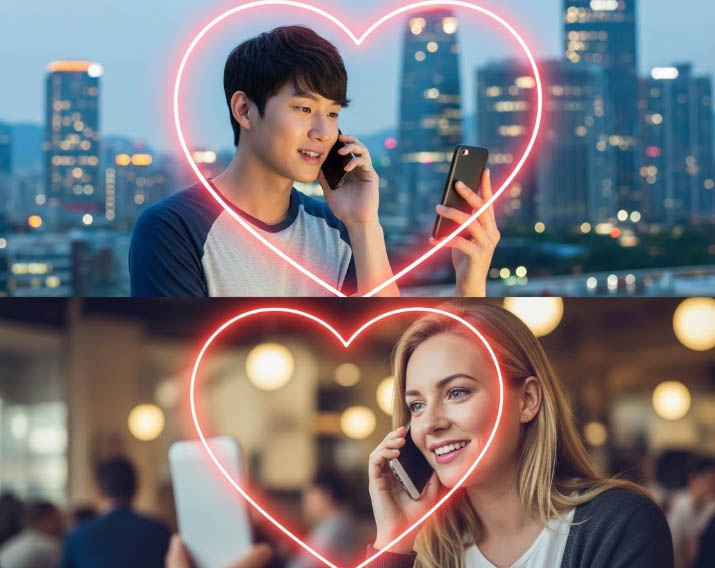
Why Korean–International Couples Are Increasing Worldwide — A Local’s Insight
In recent years, one of the fascinating shifts I’ve noticed — both as a Korean and as someone who talks daily with foreigners curious about life here — is how common it has become to hear about Korean–international couples. Whether it’s a Korean person dating someone from Europe, Southeast Asia, the Americas, or an international living here marrying a Korean partner, these relationships are far more visible than they were a generation ago.
So what’s really behind this trend? From where I stand in Korea, it’s not a single cause but a mix of cultural, social, economic, and personal forces that have made Korean–international relationships more common — and more accepted — around the world.
Let’s unpack the key reasons, grounded in current realities and the lived experience of many couples I’ve seen and talked with.
The Global Spread of Korean Culture
One of the most visible drivers of this trend is the global rise of Korean popular culture — especially K-pop, K-dramas, and Korean cinema.
Music acts like BTS and Blackpink have billions of fans worldwide. Korean dramas on Netflix reach international audiences who watch stories full of emotional depth, modern romance, and relatable characters. When young people everywhere start learning Korean phrases, eating kimchi, or watching Korean shows, it increases curiosity and affinity for Koreans as people, not just entertainers.
It’s not unusual for fans to seek language exchange partners, friends, or romantic connections through shared cultural interests. That cultural connection often becomes the starting point for deeper relationships that cross borders.
Studying Abroad Programs and Work Opportunities
Education and global mobility are another key factor. Korean universities host increasing numbers of international students, and many Koreans study abroad as well. These shared spaces — classrooms, clubs, and dorms — are places where attachments grow naturally across nationalities.
Similarly, Korea’s growing tech and start-up economy attracts international workers. When people live, work, and socialize together, friendships deepen and sometimes turn into romance.
For many couples, these environments provide a neutral, shared ground to build understanding before considering long-term life and family plans.
Language Exchange and Online Communities
Before globalization took the shape it has today, long-distance relationships were rarer. Now, online communities, social media, language exchange apps, and global networks make it easy for people to meet across continents.
Foreigners learning Korean can make friends — and sometimes more — through apps and study groups. Koreans interested in English and other languages connect with international partners for cultural exchange but discover deeper shared values along the way.
In short, the internet shrinks the world and expands the possibilities of connection.
Changing Attitudes Toward Cross-Cultural Relationships in Korea
Korean society itself has shifted significantly over the last decade in its attitude toward intercultural relationships.
In the past, there was more social pressure to marry within one’s cultural or ethnic circle. Today, especially in big cities like Seoul, Busan, and Daegu, diverse relationships are more visible, normalized, and accepted. It’s much less unusual to see Korean couples whose partners come from other countries.
This acceptance makes it easier for people to pursue relationships that once might have been discouraged or misunderstood.
Personal Growth and Global Identity
Another reason Korean–international couples are increasing worldwide is personal evolution.
Many people today — both Koreans and internationals — see themselves as global citizens. They travel, learn languages, work internationally, and seek partners who share their openness to cultural exchange. For some, love is less about shared nationality and more about shared values, curiosity, and life goals.
Couples I know often talk about mutual respect for each other’s backgrounds, and how learning each other’s customs enriches their relationship rather than diluting it.
Economic and Life Opportunities
From a practical standpoint, Korea offers international partners opportunities many find appealing:
- A high level of urban services and infrastructure
- Safety and quality of life in cities
- Access to education and healthcare
- A strong economy with international companies
For Korean partners, marrying someone from abroad can bring fresh perspectives, language skills, and broader global ties. In turn, many international spouses see Korea as a place with both stability and cultural richness.
These are not trivial details — life decisions like where to live, work, and raise children matter deeply in partner choice.
Intercultural Communication Becoming Less Daunting
Twenty years ago, intercultural relationships faced stereotypes, misunderstandings, and language barriers that were harder to overcome. Today, with global media and greater intercultural awareness, communication gaps are smaller.
Young Koreans often study abroad or learn English. Many internationals study Korean or live in Korea for years. Shared experiences — challenges, triumphs, cultural nuances — become bridges rather than barriers.
Couples find ways to communicate openly, even when language fluency varies.
Support Networks and Community Resources
One practical — yet often overlooked — reason this trend is rising is the existence of support systems:
- Expat communities in Korea
- Language exchange groups
- International marriage counseling
- Social clubs and hobby groups
- Online forums and social networks
As these networks grow, so do opportunities to meet, understand, and form genuine connections — not just romantic fantasies.
This support helps couples navigate the real challenges of cross-cultural relationships — visa procedures, family expectations, language barriers — with more confidence.
Love in the Age of Globalization
At its core, the increase in Korean–international couples reflects a broader human story:
People are connecting beyond borders, not just through travel, but through shared values, goals, and lives. Whether it’s because of culture, education, work, or chance meetings, more people are finding meaningful connections with partners from different backgrounds.
From a local Korean perspective, this trend feels natural and exciting — not strange or rare as it once was.
Final Thoughts — What This Trend Truly Means
Korean–international couples are increasing worldwide not just because of one factor, but because of a convergence of culture, mobility, openness, and mutual curiosity.
Today’s relationships aren’t confined by geography. Love, understanding, and shared life plans increasingly transcend borders. And as Korea continues to be more globally connected, this trend will likely grow, evolve, and become part of the normal fabric of everyday life.
Seen from inside the country, these relationships show how people can build bridges between cultures — and how life together can become richer because of, not despite, differences.