
Why Korean Is Easier to Learn Than You Think
Learning Korean may seem intimidating when you first hear it. Friends tell you it’s “so different,” dramas fly by at native speed, and that unique writing system looks like an alien code. But here’s the part people often don’t realize until they start learning: Korean isn’t as daunting as it looks. In fact, for many learners, once the basics click, the language feels surprisingly logical and rewarding to study.
As someone who lives in Korea and has watched countless learners go from “zero confidence” to “I can actually use Korean,” let me walk you through why Korean is easier to learn than you might think — and how you can get there too.
The Alphabet Was Designed to Be Easy
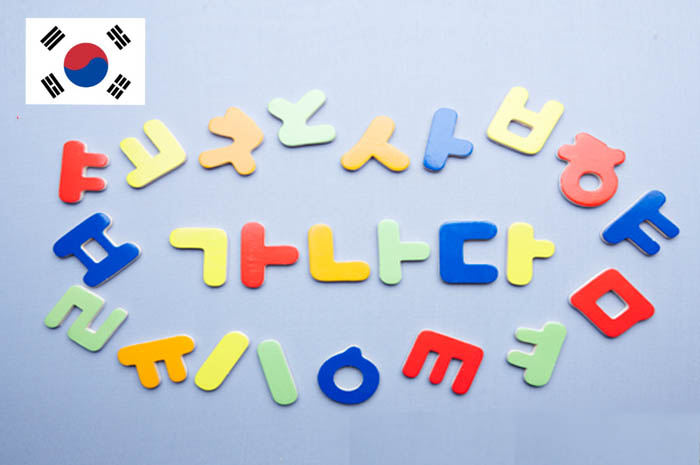
The very first thing that surprises learners is Hangul. You’ve probably heard that Hangul is one of the easiest writing systems in the world — and it’s true. Hangul was scientifically designed centuries ago so that each letter reflects the shape your mouth makes when speaking it. Many students learn the entire Korean alphabet in just a few days, and once you know it, you can read almost anything in Korean. No thousands of characters to memorize like in Japanese or Chinese, just a handful of logical building blocks.
That’s your first big win: you can go from zero to reading Korean in a very short time.
Pronunciation Is Straightforward Once You Get the Hang of It
People often worry about Korean pronunciation, but it’s actually one of the more approachable parts of the language for English speakers. Most Korean consonants and vowels have clear, consistent sounds. Unlike English, there are no silent letters in many words and no unpredictable exceptions that change pronunciation completely.
Yes, Korean has sounds that don’t exist in English, but once you learn to distinguish and produce them, they stay that way. Practice with listening and repetition, and you’ll be surprised how quickly your ear adapts.
Grammar Follows Clear Patterns
Korean grammar is different from English — for example, the verb typically comes at the end of the sentence — but it isn’t random or chaotic. In fact, Korean grammar follows consistent rules. Once you learn a pattern, it applies broadly and doesn’t change depending on the word, person, or tense the same way English irregular verbs do.
For example, once you learn how to form past tense, every verb uses the same rule. There are fewer “exceptions” than in many European languages, and that consistency makes advancement feel attainable and logical, not mysterious.
No Gender, No Articles, and Clear Word Order
Here’s another relief for English speakers: Korean has no grammatical gender and no articles like “a,” “an,” or “the.” That’s one less thing to memorize and confuse you. You’ll also find Korean word order stays fairly consistent. When rules stay consistent, your brain spends less time guessing and more time using the language.
Vocabulary Becomes Easier Over Time
Yes, most Korean words seem unfamiliar at first, but as you learn, you’ll notice patterns. Many Korean words are built from smaller pieces that repeat across different terms. Once you know a handful of roots, you suddenly recognize more and more vocabulary. Also, Korean borrows many words from English — especially in modern, everyday contexts — so you’ll spot familiar terms sooner than you expect.
Real Korean Sounds Are Slower Than You Think
A common myth is that Korean native speech is impossibly fast. In reality, speech speed feels fast only because learners aren’t used to the sounds yet. Once your ear becomes familiar with Korean rhythms — through listening practice and repetition — you’ll be able to recognize words and phrases more quickly. The speed doesn’t change; your brain just catches up.
Plenty of Learning Resources for Every Style
One of the best parts about studying Korean now is the sheer amount of resources available. You can learn with:
- Structured textbooks
- Podcasts for learners
- YouTube channels that explain grammar in English
- Mobile apps that make vocabulary fun
- Language exchange partners with native speakers
There’s something for every learning style, and that makes picking up Korean less frustrating and more enjoyable than ever before.
Progress Is Noticeable Early On
If you follow a structured plan — even a simple one — you’ll notice real progress early. Within a few weeks you can read menus and signs. In a couple of months you can follow simple conversations. That rapid progress keeps motivation high, and that feeling of improvement is a huge part of why learners stick with Korean when they might have given up on other languages.
The Mindset Shift Matters Most
A big reason people think Korean is difficult is because they expect it to be hard. But when you approach it with curiosity and openness — focusing on small wins rather than impossibly perfect goals — you start to see how manageable Korean really is. In many ways, Korean rewards consistency and encouragement rather than pressure and perfection.
Final Thoughts: Korean Is Friendly, Not Frightening
Korean isn’t a secret code or something only “special” people can learn. Its writing system was intentionally made to be accessible, its pronunciation is logical, its grammar is patterned and consistent, and the progress you make is visible quickly. That’s a powerful combination.
If you treat Korean as a language to explore rather than a language to fear, you’ll find yourself understanding more than you expected, sooner than you thought. And once you start using it — even imperfectly — you’ll discover just how friendly Korean really can be.
What Is the Best Itinerary for 7 Days in Korea A Perfect One Week Travel Plan