
Your Essential Korean Food Recommendation Guide for Beginners
You’ve landed in Korea, and now your mission begins: eating everything in sight. Korean food (Hansik) is a global superstar, famous for its intense flavors, communal dining style, and comforting warmth. But with endless stews, fermented side dishes, and fiery spice levels, where does a beginner even start?
Forget the complicated menus! As a local, I’m here to give you the ultimate, simple guide to the must-try Korean dishes that are easy to order, delicious, and guaranteed to hook you on Hansik forever. We’ll start mild and work our way up to the spice!
Tier 1: The Safe & Satisfying Starters (Low Spice, High Flavor)
These are the absolute best entry points into Korean cuisine—perfect for any palate.
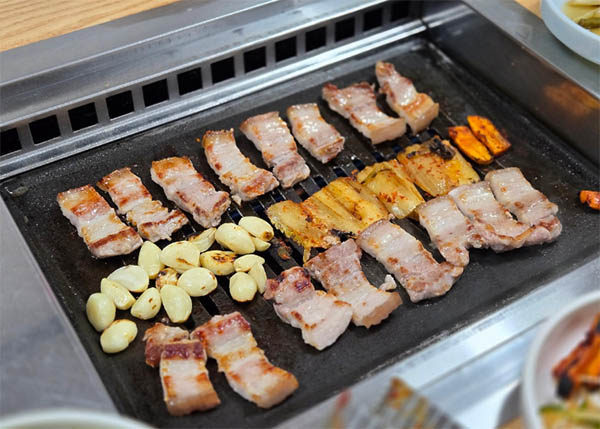
1. Korean BBQ (Samgyeopsal / Galbi)
The Dish: Thick cuts of pork belly (Samgyeopsal) or marinated beef short ribs (Galbi) grilled right at your table.
Why It’s Perfect: It’s interactive, social, and entirely customizable. You wrap the meat in a lettuce leaf with garlic, Ssamjang (savory sauce), and whatever Banchan (side dishes) you like. You control the flavor!
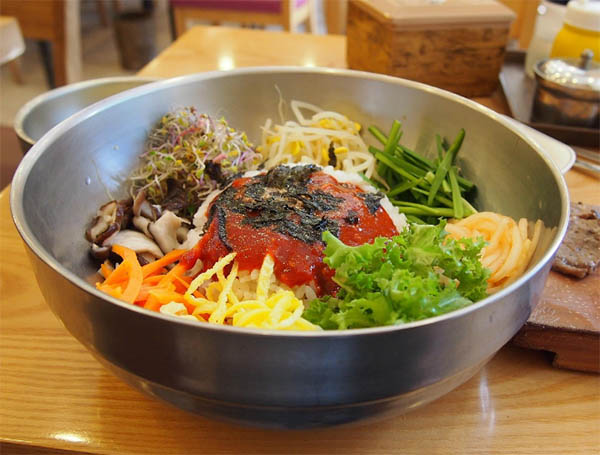
2. Bibimbap (비빔밥)
The Dish: A beautiful bowl of warm white rice topped with seasoned vegetables (namul), marinated meat (optional), a fried egg, and Gochujang (chili paste).
Why It’s Perfect: It’s the ultimate balanced meal. You mix everything together yourself. You control the spice level by adding as little or as much Gochujang as you like. It’s safe, healthy, and satisfying.
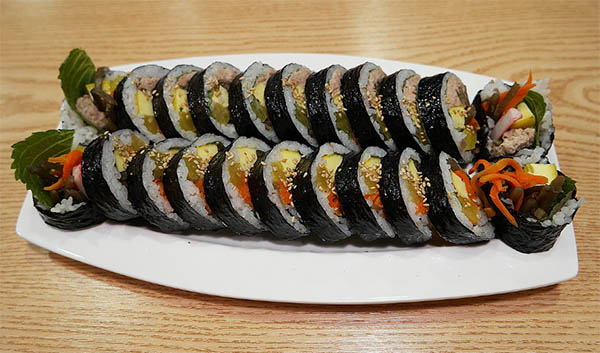
3. Kimbap (김밥)
The Dish: Seaweed (김, gim) rolled with seasoned rice and fillings (often egg, imitation crab, carrots, and pickled radish) and cut into bite-sized slices.
Why It’s Perfect: It’s Korea’s version of a grab-and-go sushi roll (but without the raw fish). It’s incredibly cheap, portable, and available everywhere (convenience stores, Kimbap Cheonguk).
Tier 2: The Comfort Food Classics (Mid-Spice, Major Flavor)
Ready for a little heat? These dishes are spicy but balanced by rich, savory broth and carbs.
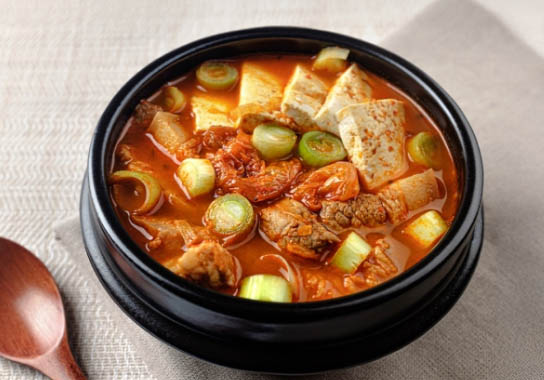
4. Kimchi Jjigae (김치찌개)
The Dish: The most common Korean stew, made with kimchi, pork (or tuna), tofu, and a spicy, deeply flavored broth.
Why It’s Perfect: This is the ultimate Korean comfort food. The spice is manageable, and the deep, sour flavor of the fermented kimchi is addictive. It’s always served bubbling hot.
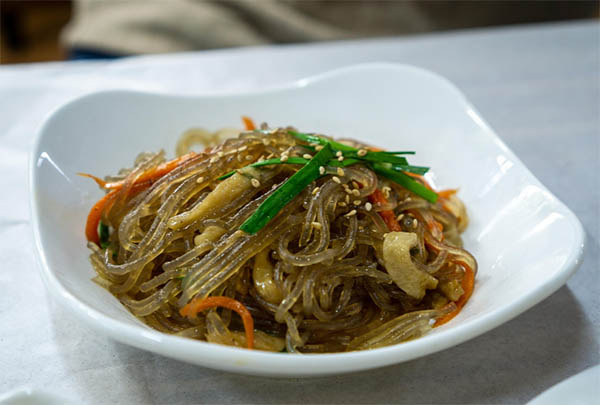
5. Japchae (잡채)
The Dish: Stir-fried glass noodles (made from sweet potato starch) mixed with vegetables, mushrooms, and thin slices of meat, seasoned with soy sauce and sesame oil.
Why It’s Perfect: It’s savory, slightly sweet, and features zero spice. The chewy texture of the glass noodles is incredibly fun to eat. Great for sharing!
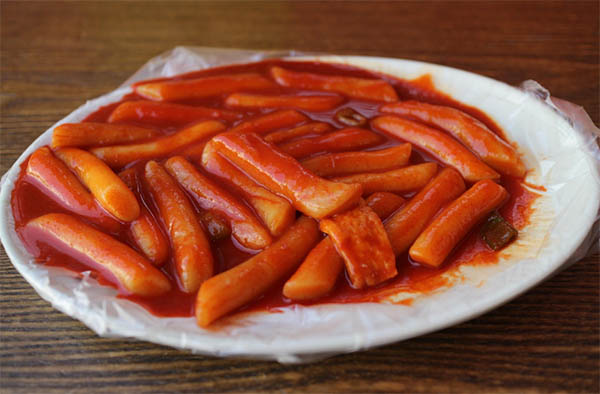
6. Tteokbokki (떡볶이)
The Dish: Chewy, cylindrical rice cakes (tteok) simmered in a thick, sweet, and aggressively spicy Gochujang sauce, often served with fish cakes (eomuk).
Why It’s Perfect: You find it at every street stall. It’s cheap, incredibly popular, and the chewiness is addictive. It’s a mandatory street food experience!
Tier 3: The Advanced Level (For the Adventurous Palate)
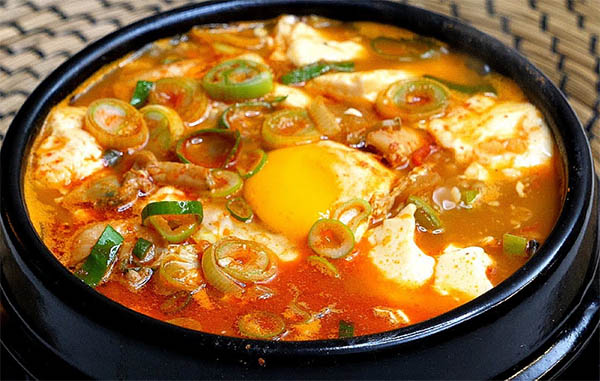
7. Sundubu Jjigae (순두부찌개)
The Dish: A seafood-based stew featuring silky, uncurdled soft tofu, often with an egg cracked on top just before serving.
Why It’s Perfect: The spice is intense, but the soft, creamy tofu cuts the heat perfectly. It’s a great way to experience a full-flavored Korean stew.
Start with the BBQ and Bibimbap, and I guarantee you’ll be ordering Kimchi Jjigae by your second day! Jal meokgesseumnida! (Enjoy your meal!)