Your Lifeline in Korea
Comprehensive Guide to Multicultural Family Support Programs (2025 Update)
If you’re part of a multicultural family (Damunhwa Gajok) in Korea, you know the blend of cultures is beautiful, but the blend of paperwork and cultural adaptation can sometimes feel like trying to mix Kimchi Jjigae with a smoothie. It’s confusing, but you don’t have to navigate it alone!
Here’s the fantastic news: The South Korean government and local communities are deeply invested in making sure multicultural families thrive. As a local who knows the system, I’m giving you the definitive guide to the essential support programs and resources available in 2025. Get ready to find your social safety net!
The Hub: Multicultural Family Support Centers (Your Best Friend)
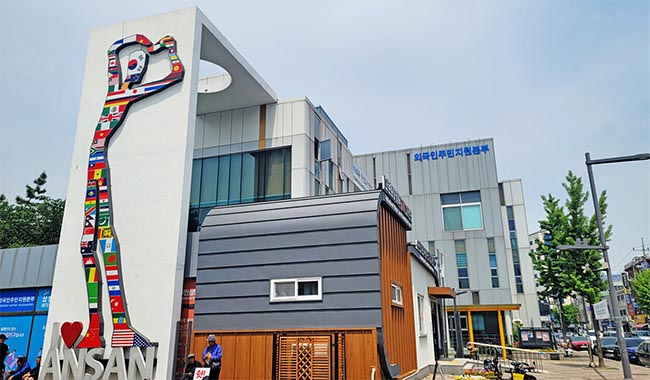
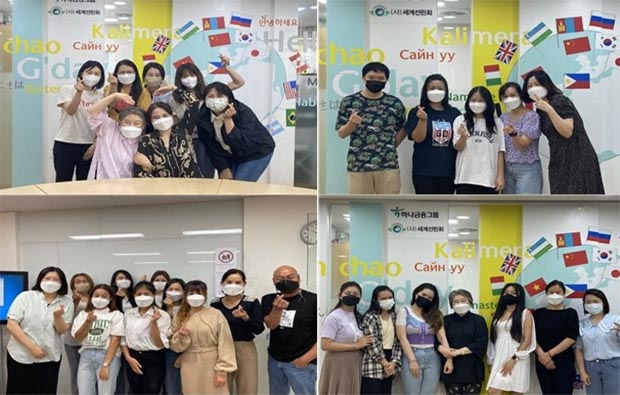
Every Gu (district) or local municipality has a Multicultural Family Support Center (Damunhwa Gajok Jayeon Center). These centers are the ultimate one-stop shop for almost every need you’ll have.
1. Language and Cultural Adaptation Programs
This is often the most critical starting point for the non-Korean spouse.
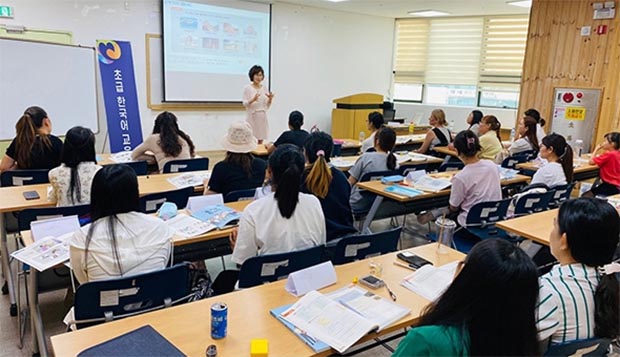
Free Korean Language Classes: They offer structured Hangul classes from beginner to advanced, often preparing you for the TOPIK exam. This is usually free or requires only a minimal material fee.
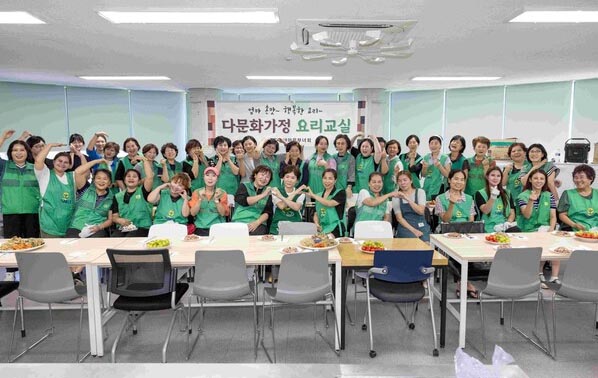
Cultural Understanding: Programs designed to teach you about Korean customs, family etiquette, and even essential cooking skills (like perfecting that Japchae!). This is invaluable for navigating the in-law dynamic.
Translation and Interpretation: Need help with government documents, hospital visits, or school registration? These centers often provide free or low-cost interpretation services.
2. Employment and Economic Support
Adapting to the local job market is tough. These programs aim to boost your professional competitiveness.
Job Training and Placement: They offer vocational training, computer skills courses, and resume workshops tailored for the Korean market.
Entrepreneurship Support: Resources for multicultural spouses who wish to start their own businesses, connecting them with microloan programs or business counseling.
Beyond the Center: Specialized Support Systems
While the local centers are great, specialized government ministries offer targeted assistance for children and specific situations.
3. Educational Support for Children (Uri Ai)
Korea is serious about education, and they ensure multicultural children receive the support they need to succeed in school.
Bilingual Education: Programs encouraging children to maintain proficiency in both their parents’ native languages. This is often seen as a key asset, not a deficit.
After-School Care: Financial support or subsidized programs for educational services, often run through the schools, helping working parents manage the demanding Hagwon (private academy) culture.
School Integration: Counseling and mentoring services to help children (especially those newly arrived or those struggling with identity) adapt smoothly to the school environment.
4. Family and Counseling Services
International couples often face unique stressors. These services are crucial for marital and psychological health.
Marital and Parenting Counseling: Free or low-cost counseling sessions specifically designed for couples in multicultural marriages, addressing communication barriers, parenting philosophy clashes, and in-law conflicts.
Psychological Support: General mental health counseling available in multiple languages, helping the foreign spouse deal with culture shock, isolation, and stress.
5. Health and Welfare Benefits
Ensure you are taking full advantage of the health and welfare net.
National Health Insurance: All registered residents, including spouses on the F-6 visa, are required to enroll in the robust National Health Insurance Service (NHIS).
Subsidized Health Checks: Special health check-up programs for multicultural women, often including pre- and post-natal care support.
How to Get Started: Your Action Plan
Find Your Local Center: Search online for the Multicultural Family Support Center in your specific Gu or city (e.g., “Gangnam-gu Multicultural Family Support Center”).
Make an Appointment: Call or visit to register and speak with a case manager. They will assess your needs (language level, employment status, family situation) and create a customized support plan for you.
Use the Language Service: Don’t hesitate to ask for an interpreter when dealing with unfamiliar administrative tasks. That’s what they are there for!
These programs exist to help you turn the challenges of cultural adaptation into strengths. Don’t be shy—Korean society wants you to succeed!